use j/k or left/right arrow
to navigate through the photos below
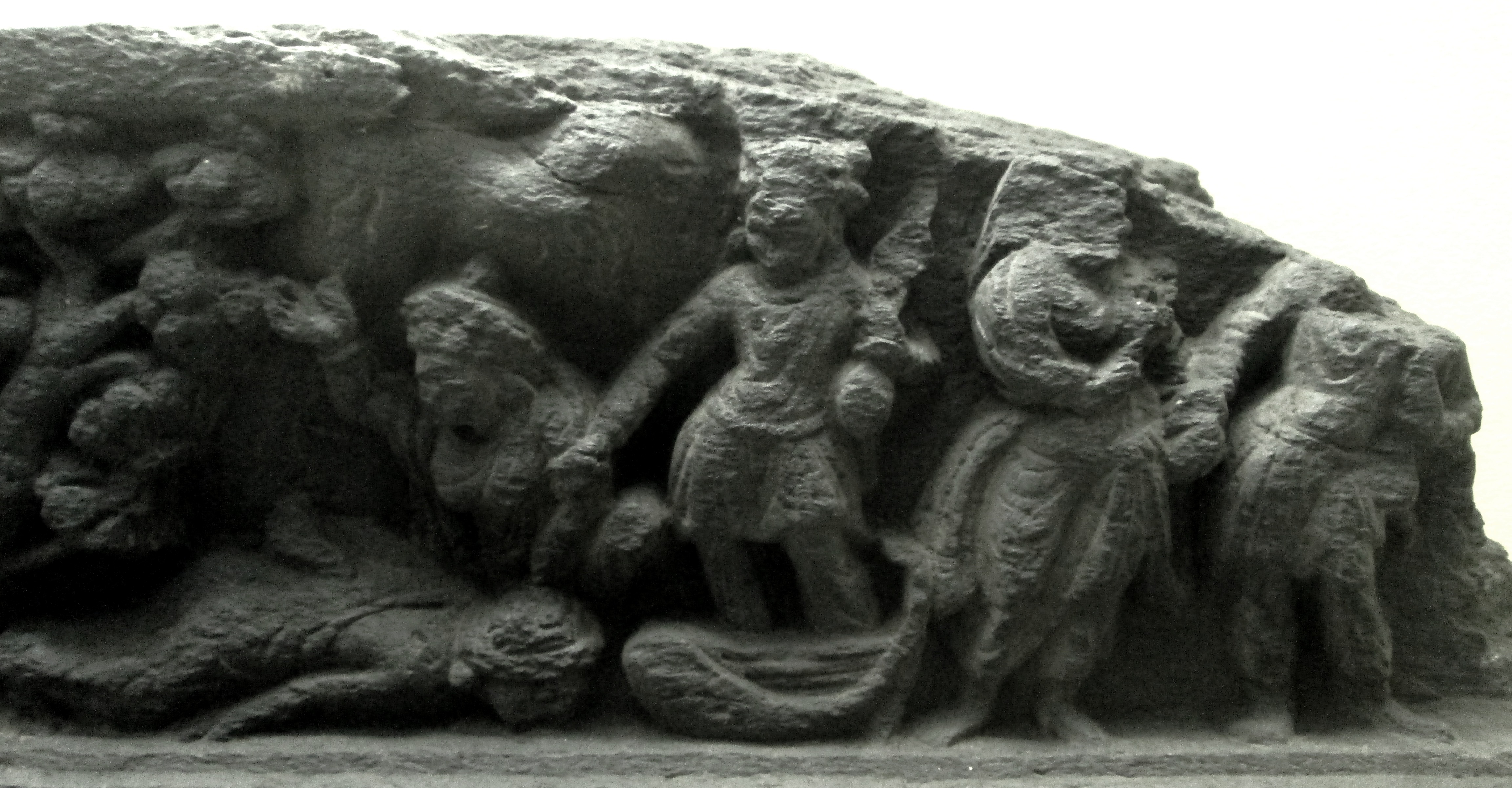
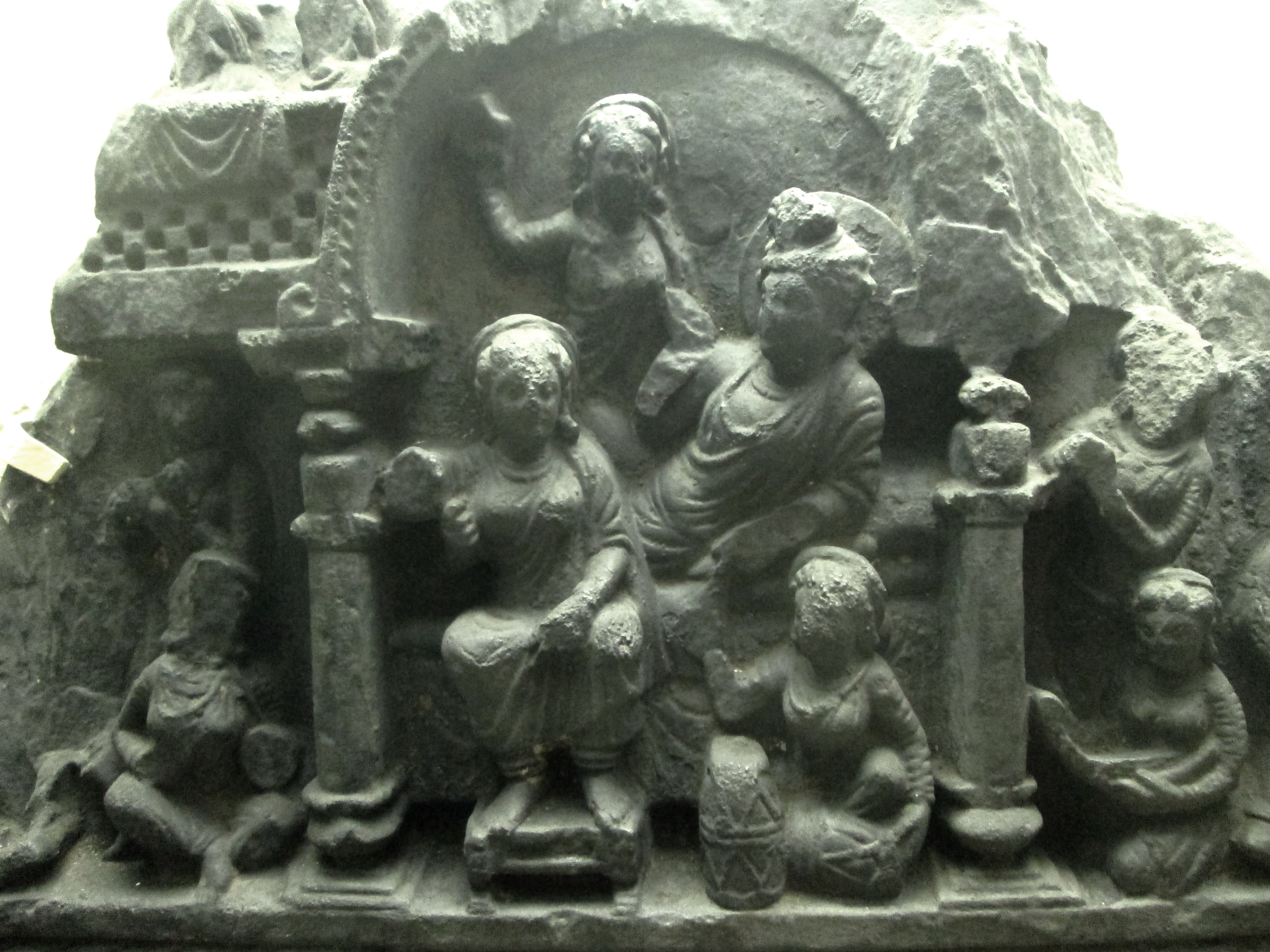
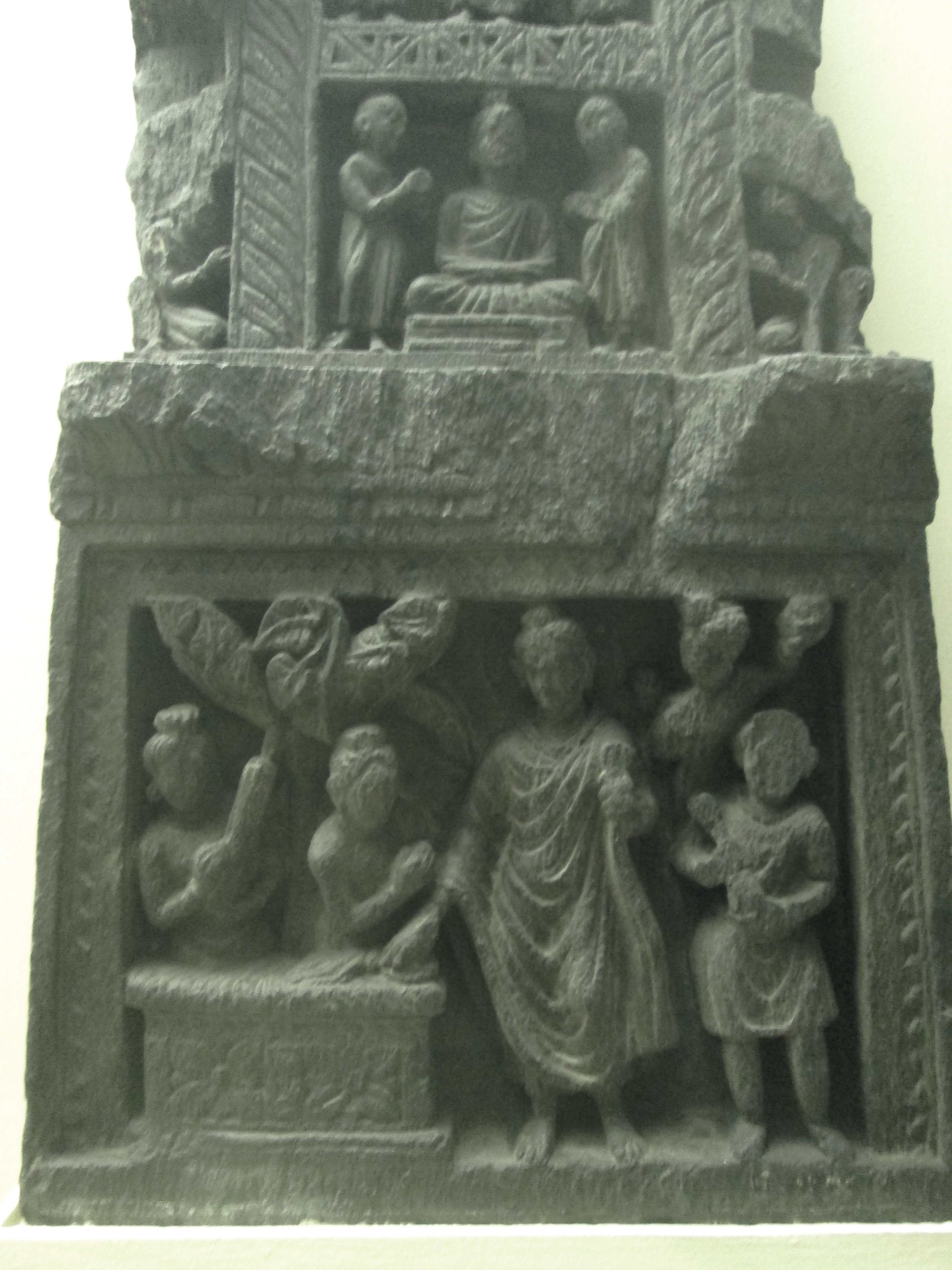
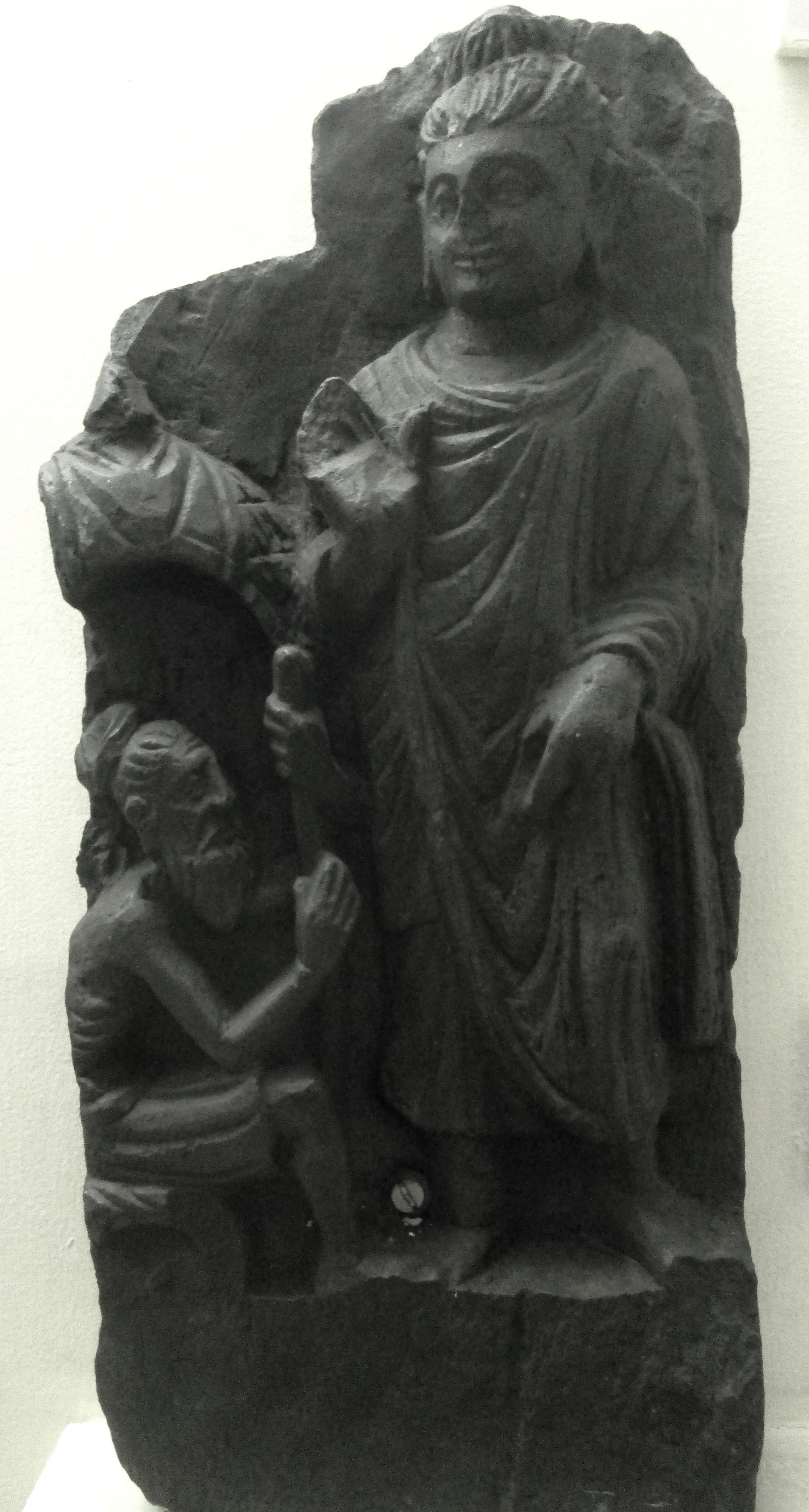
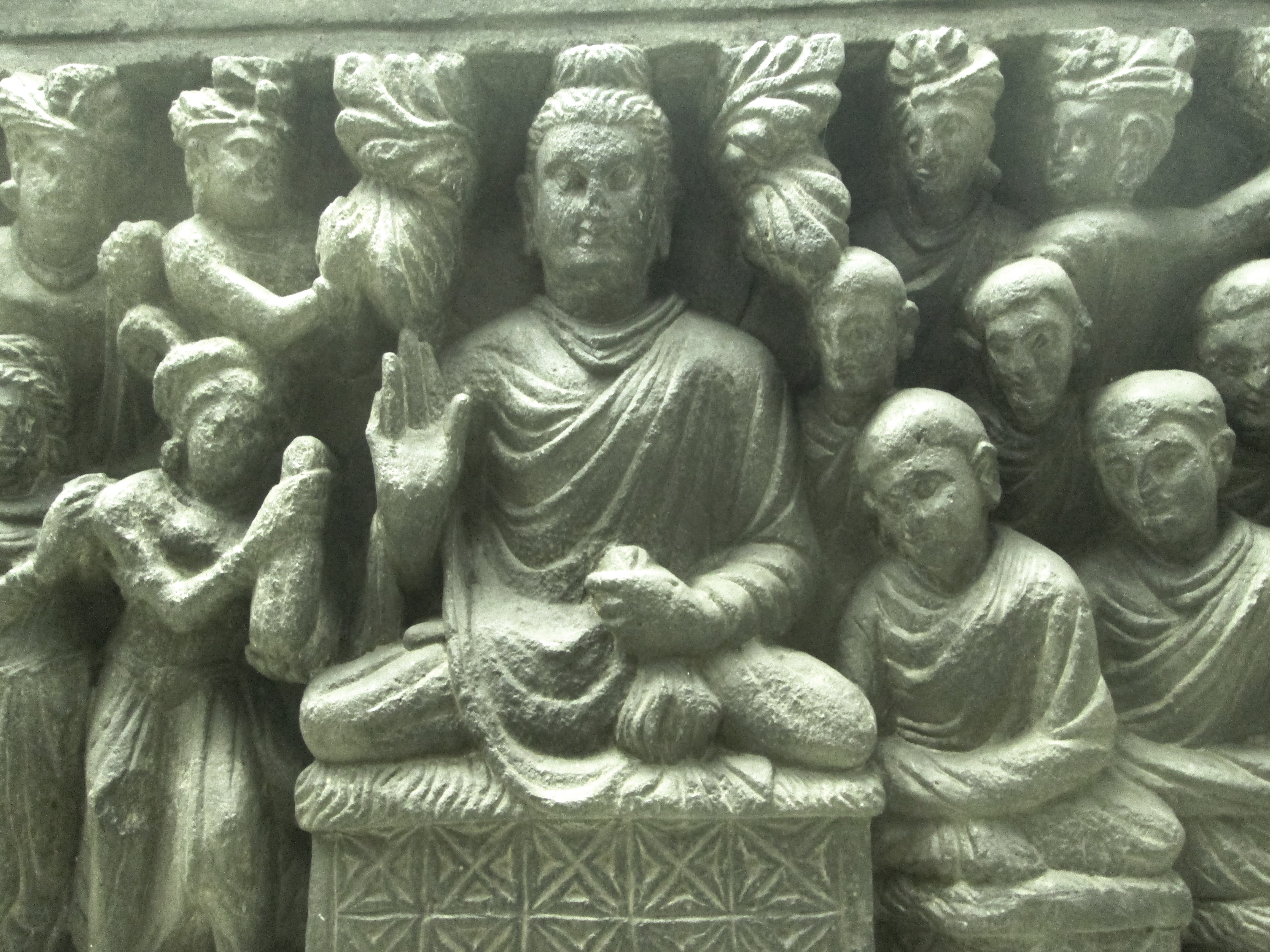
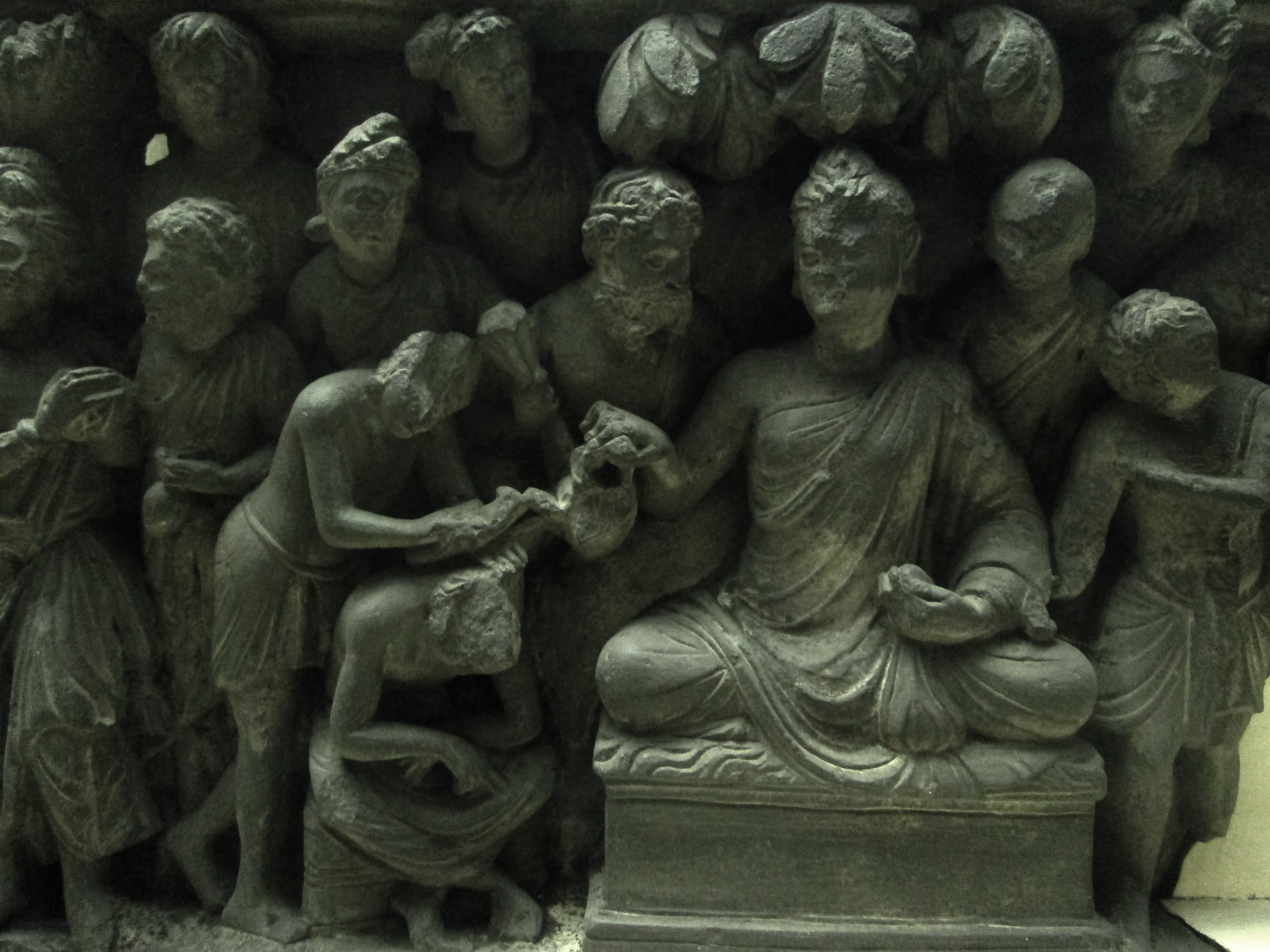
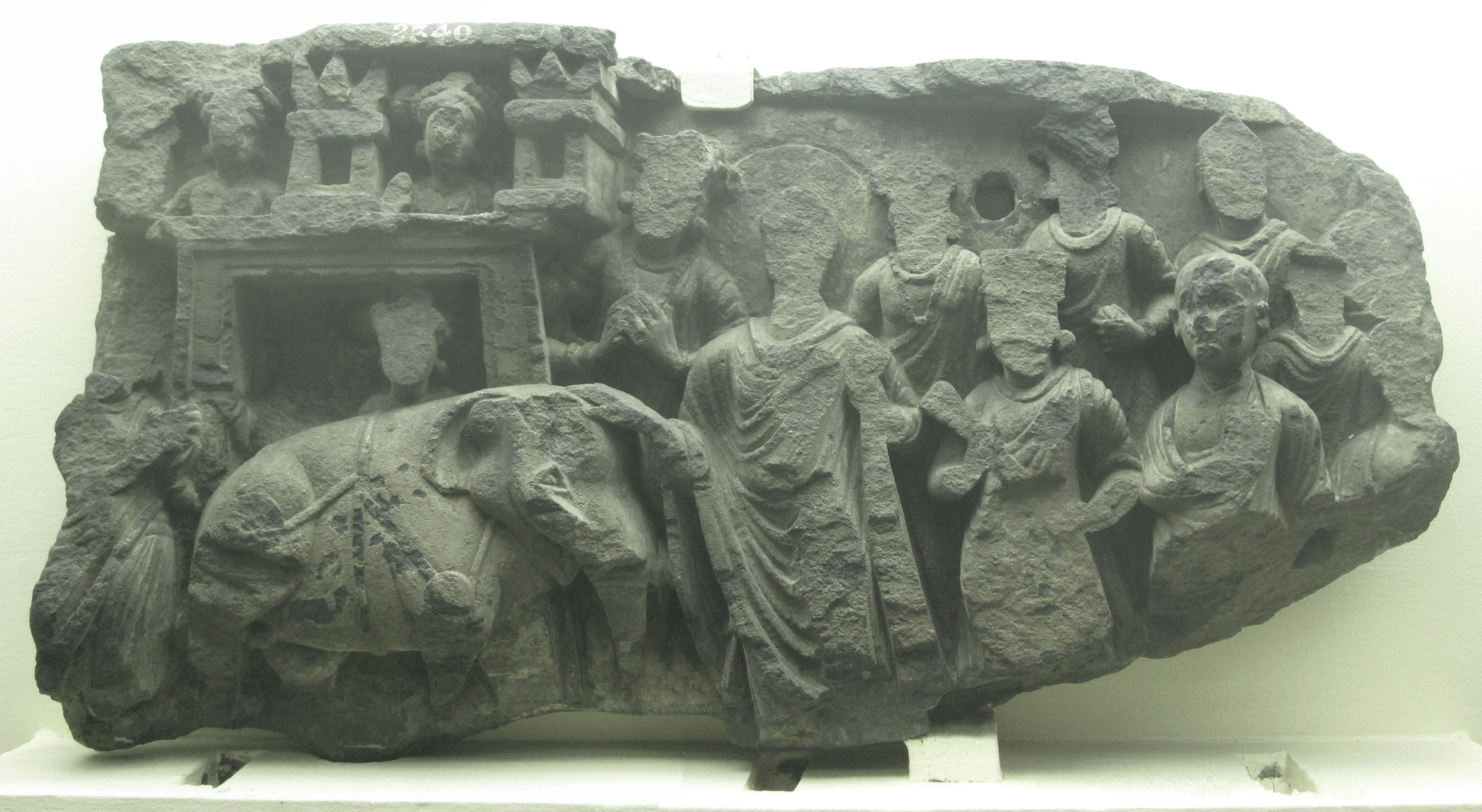
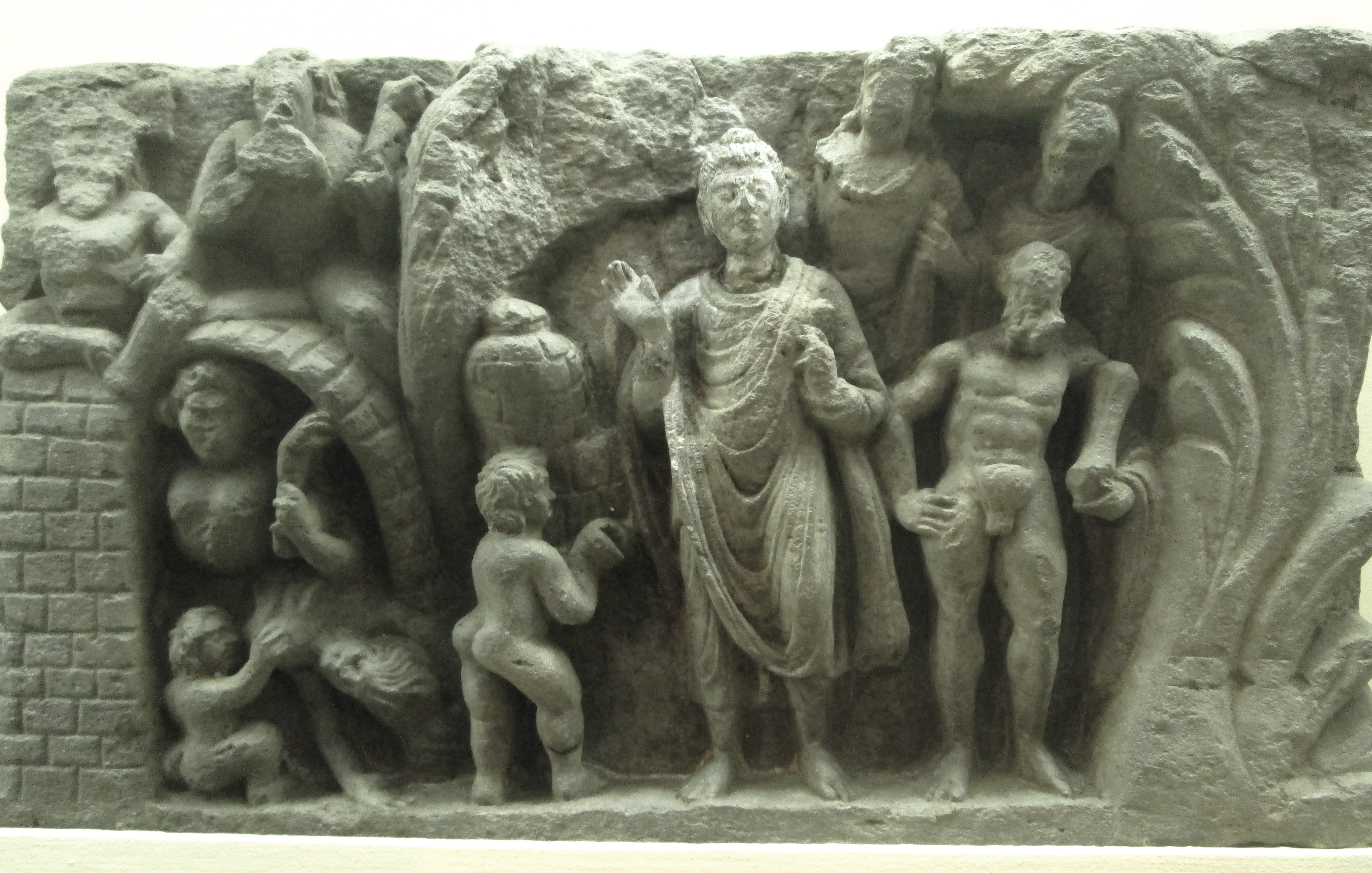
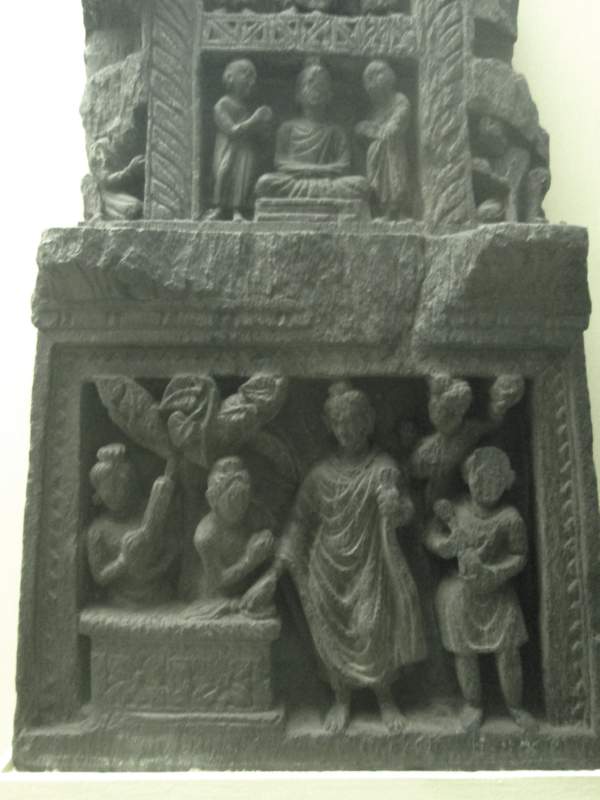
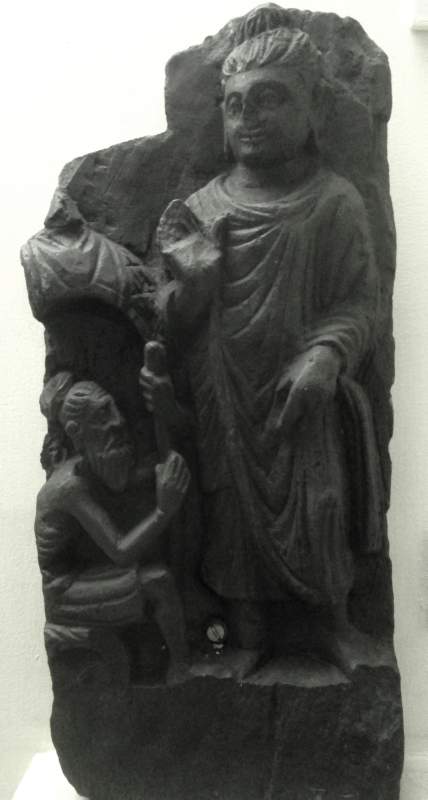
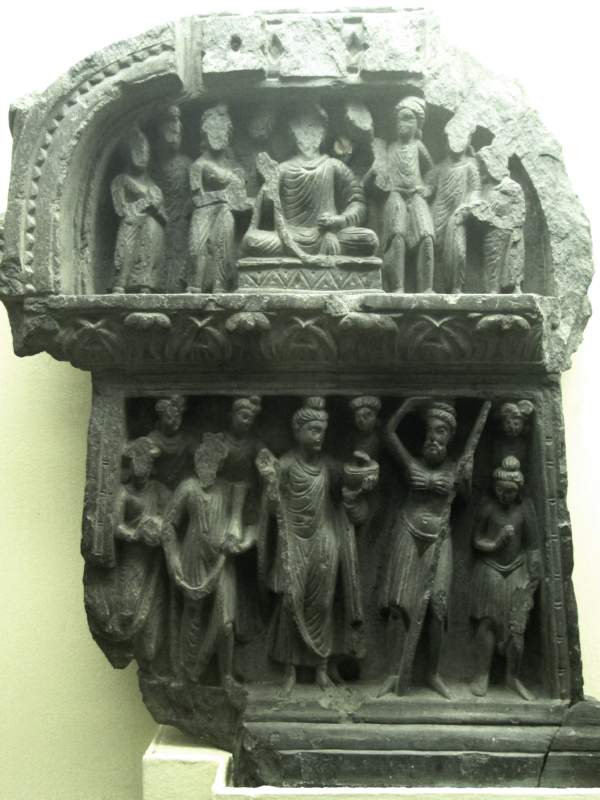
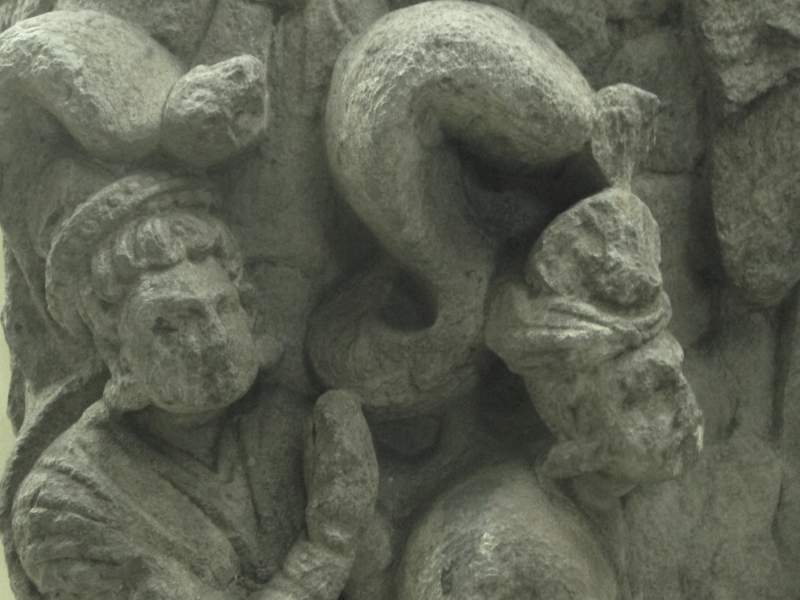
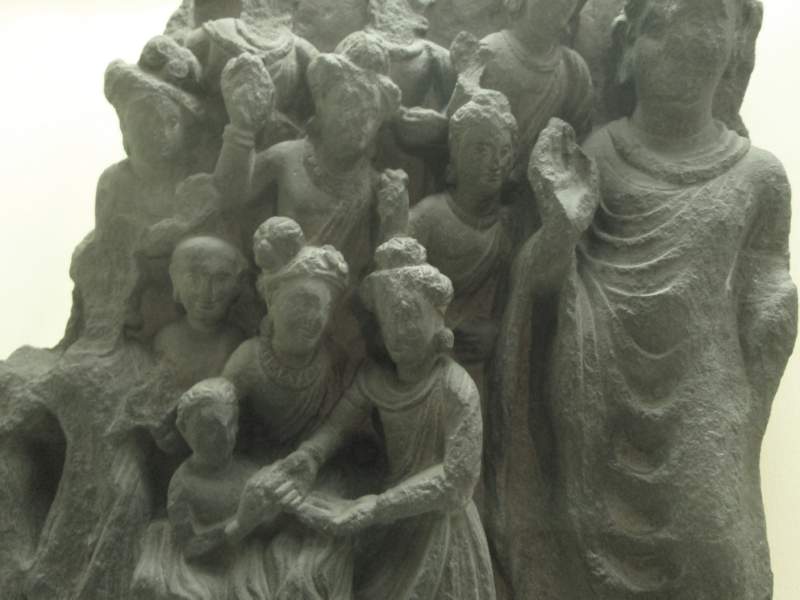
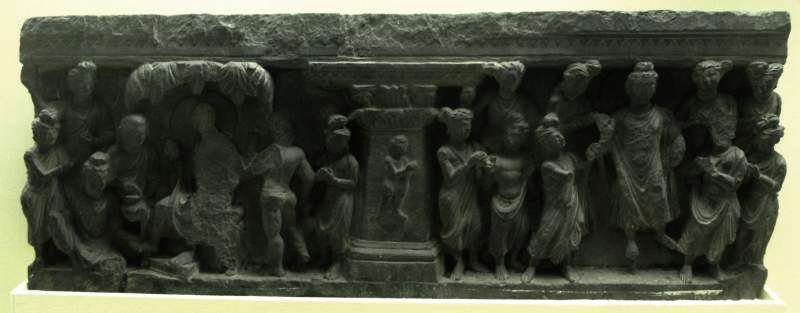
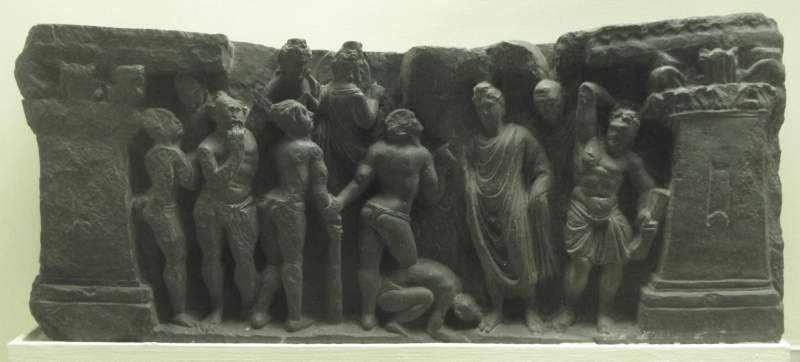
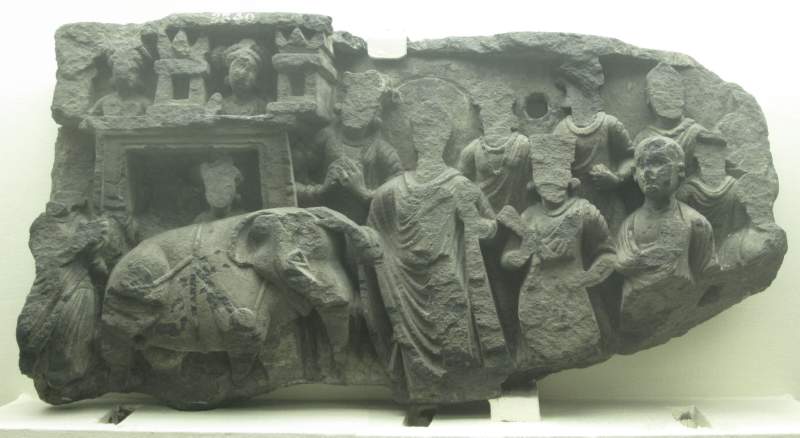
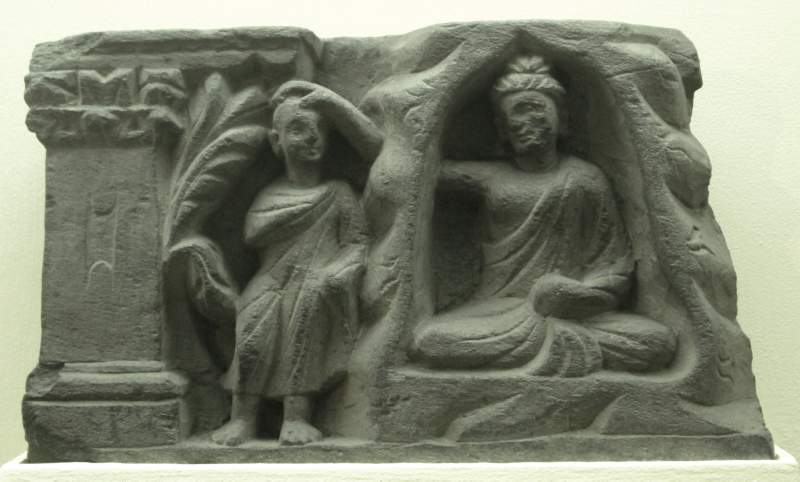
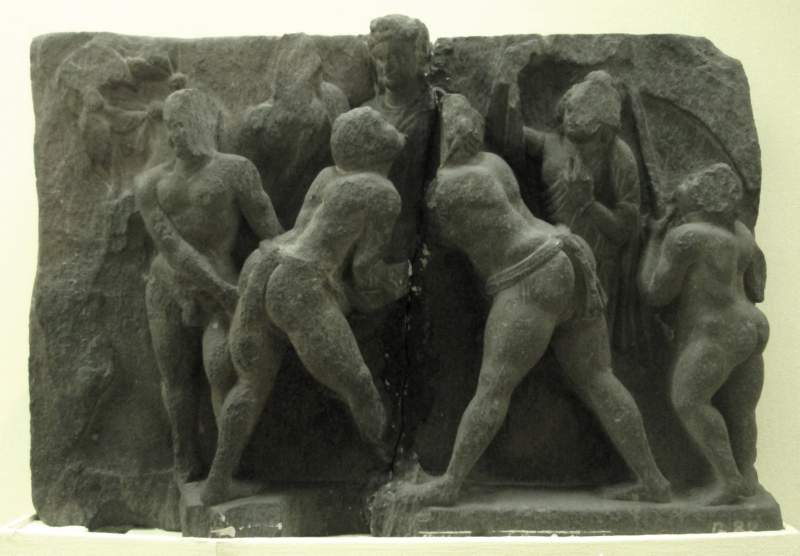
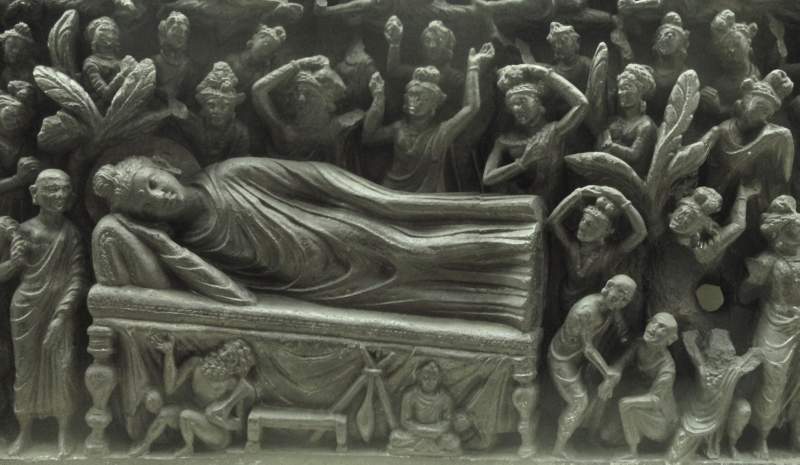
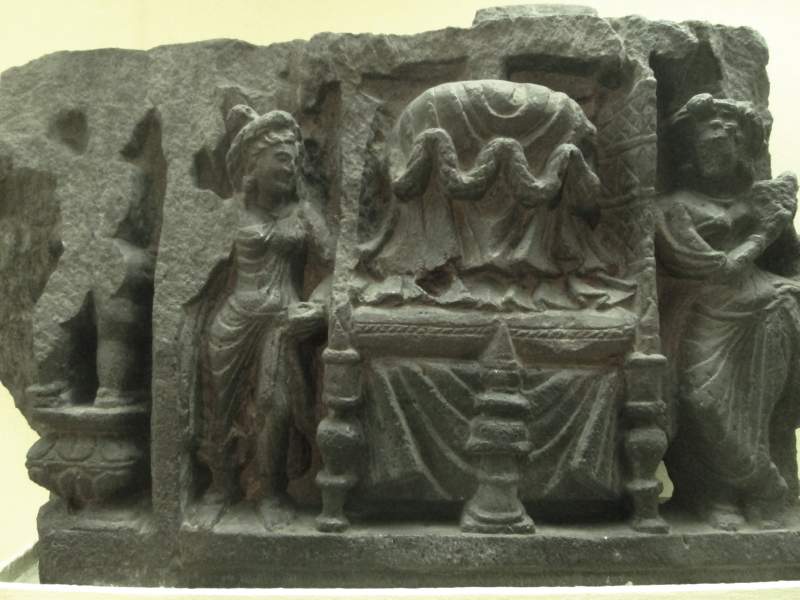
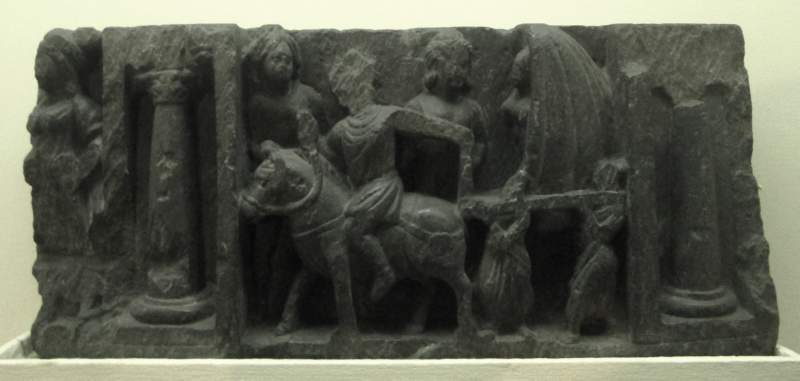
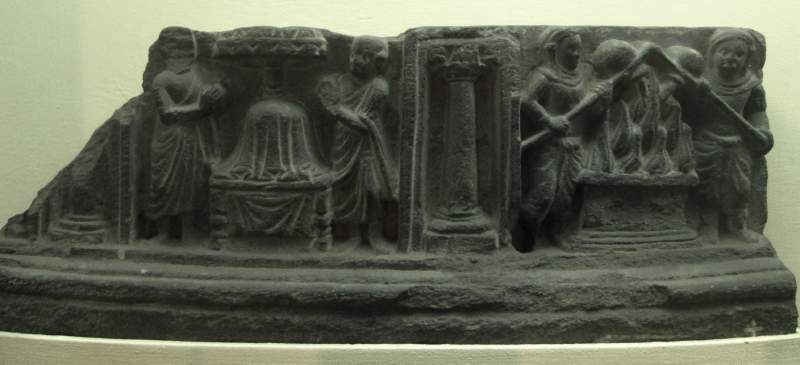
Gandhāra Statues and Reliefs in the Indian Museum, Kolkata
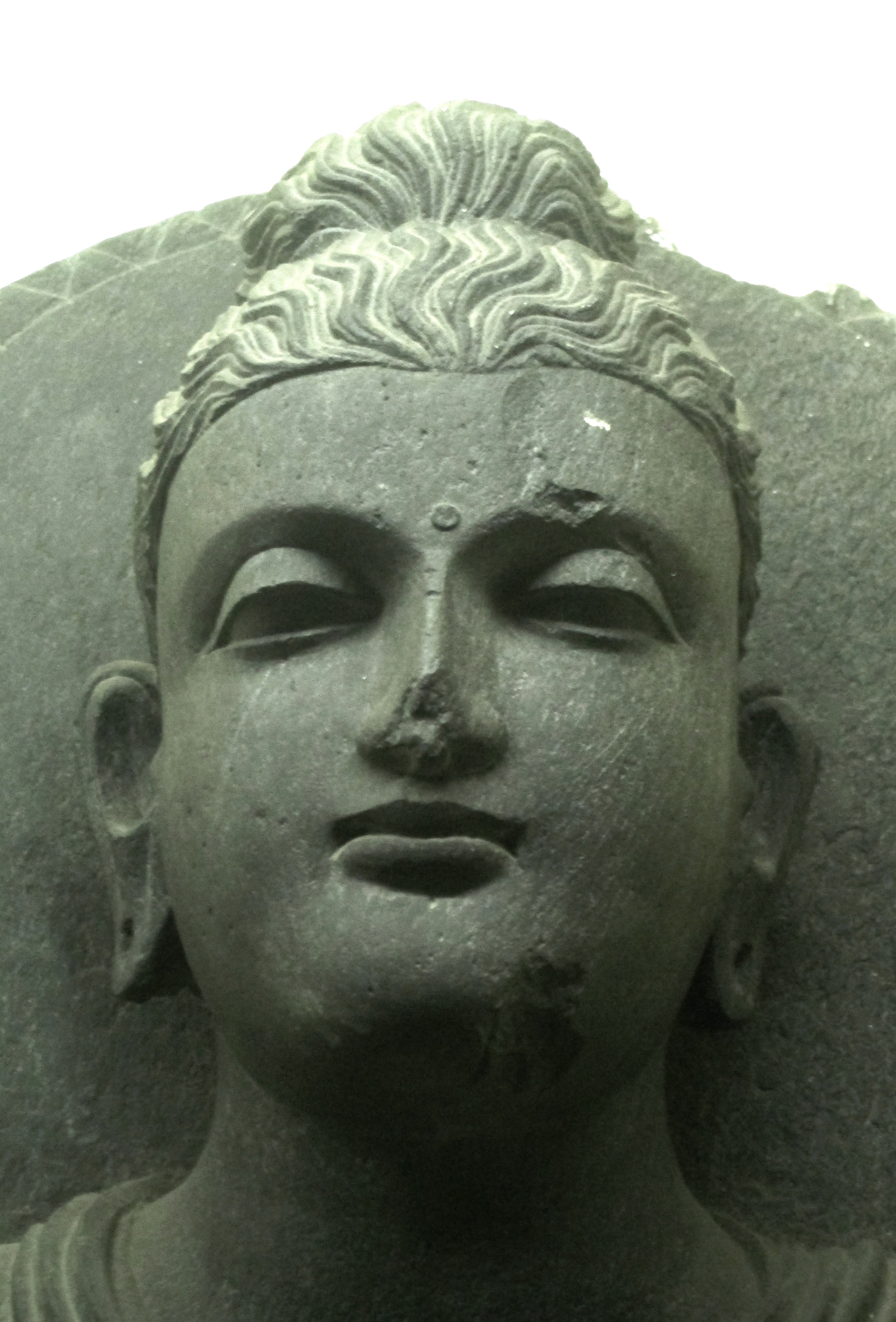
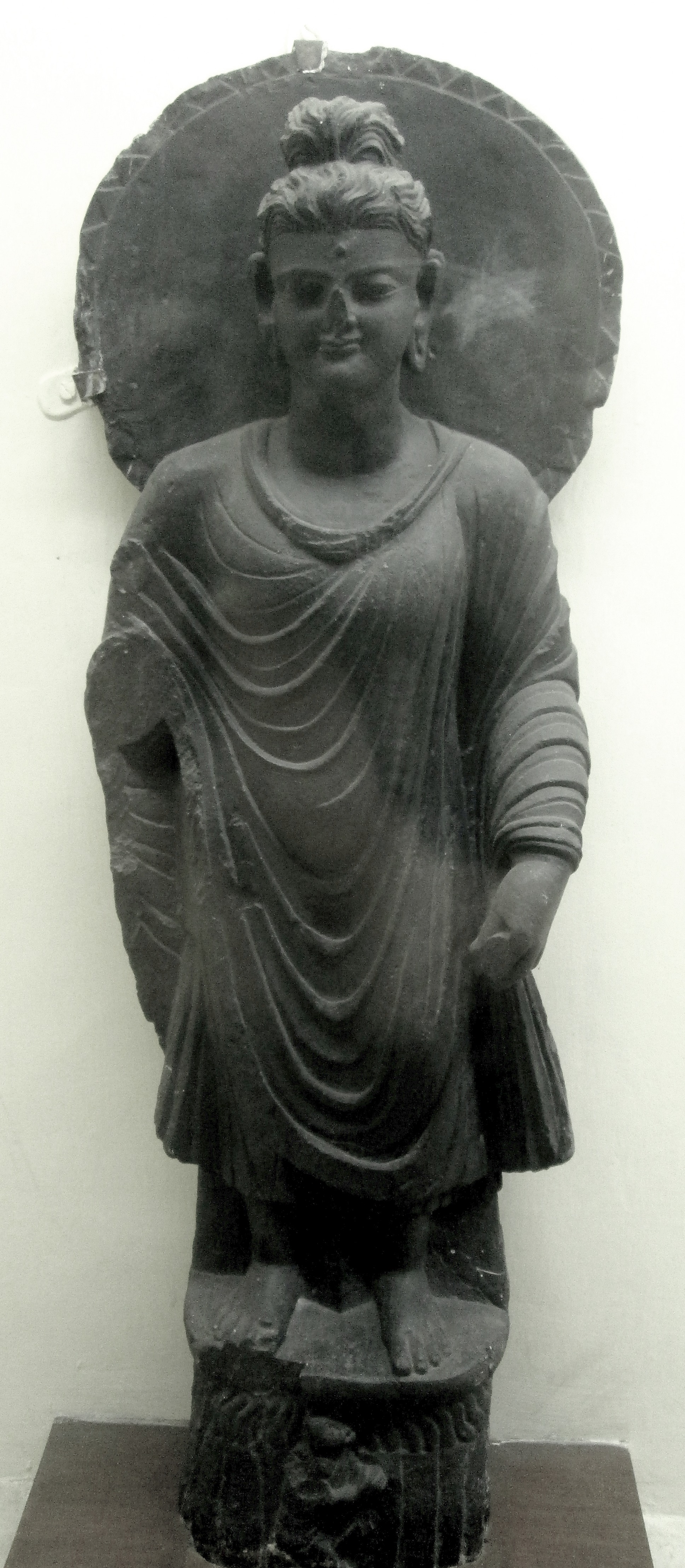
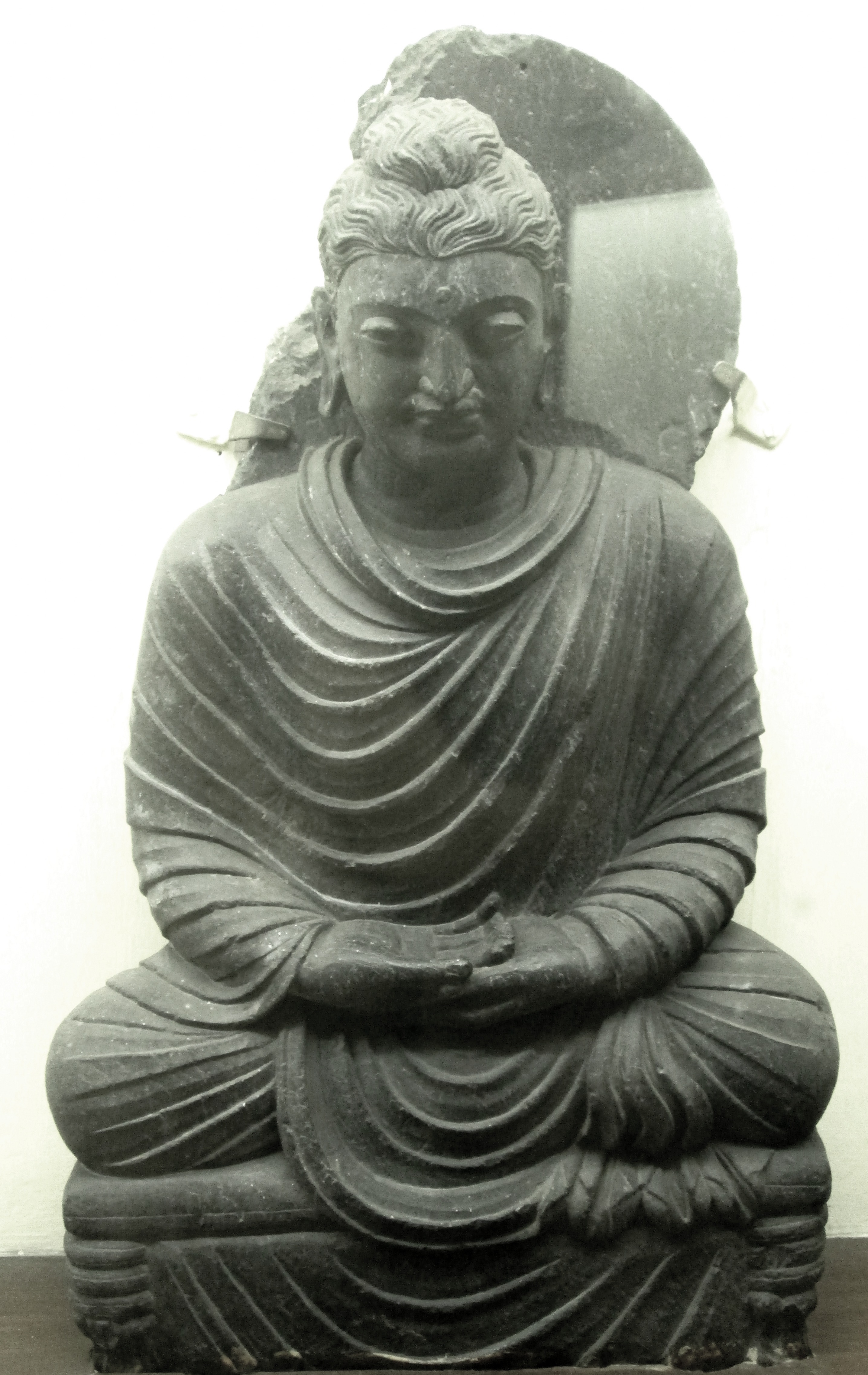
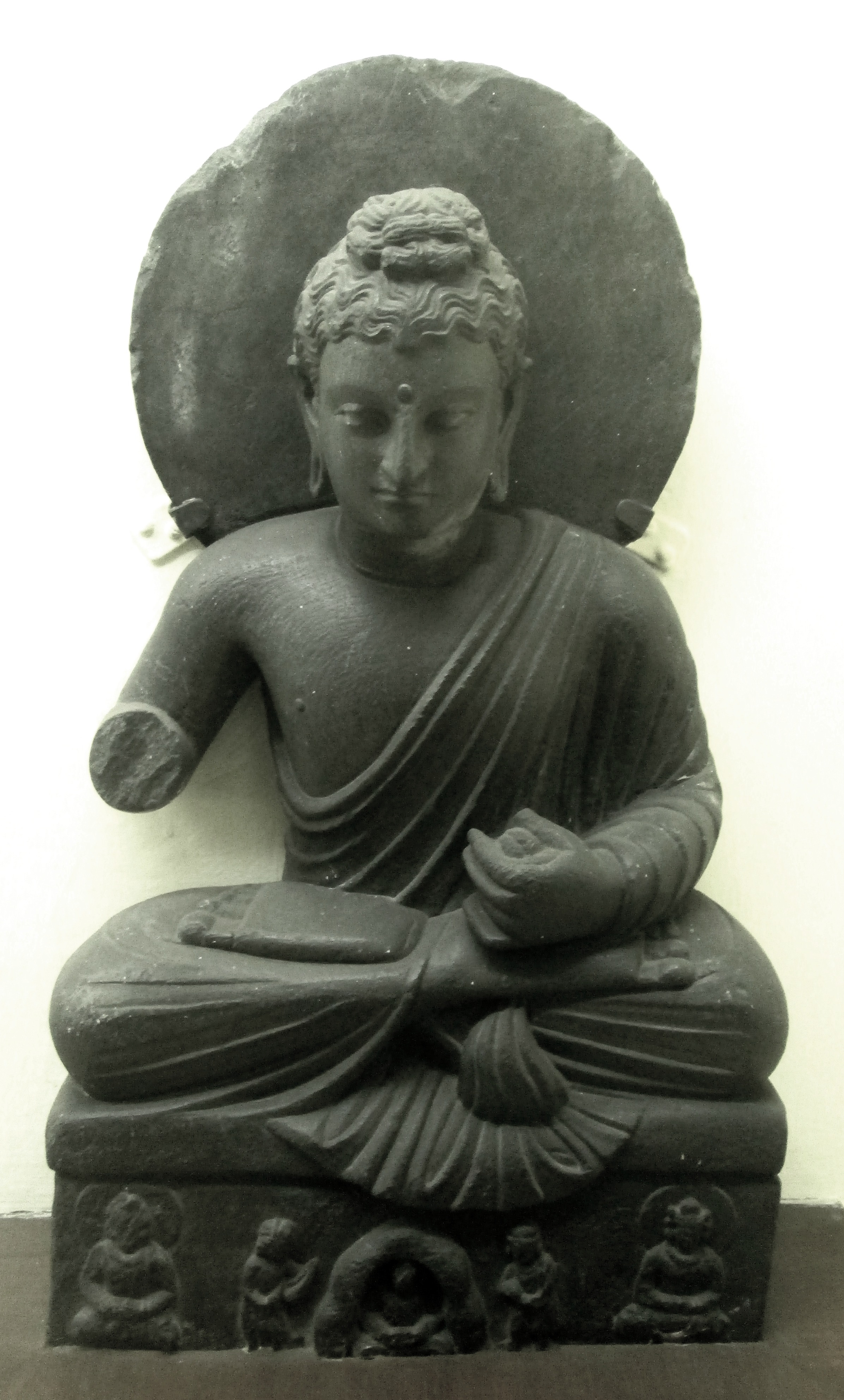
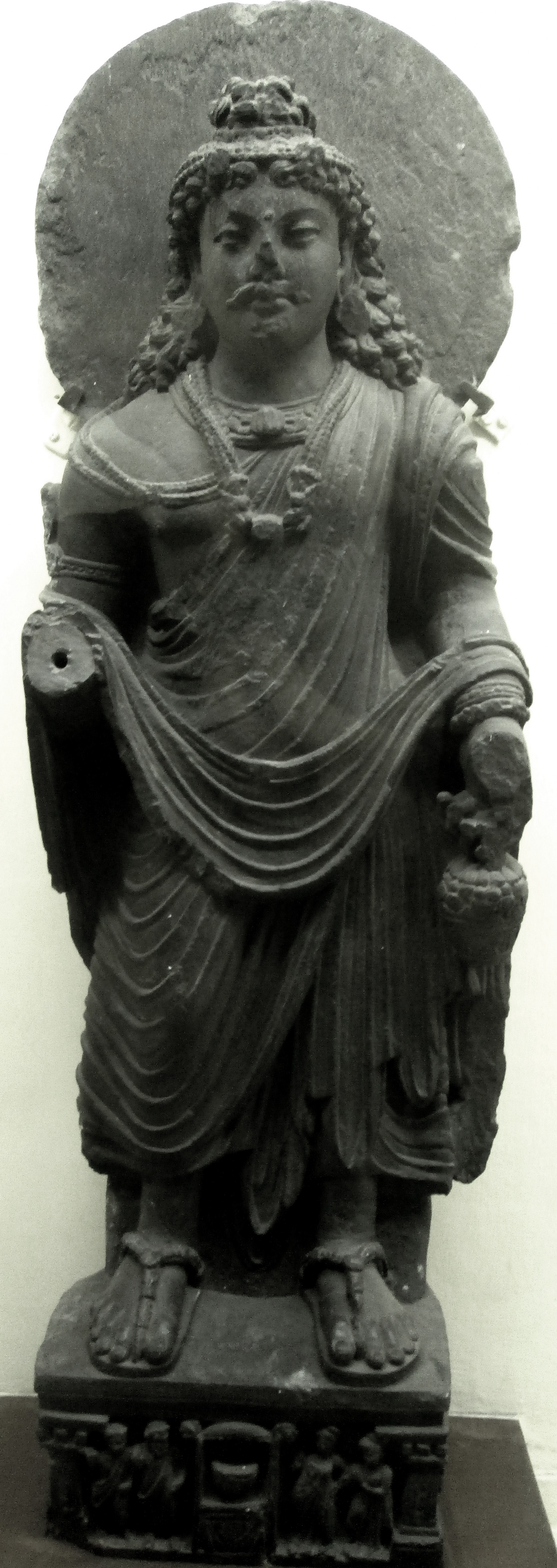
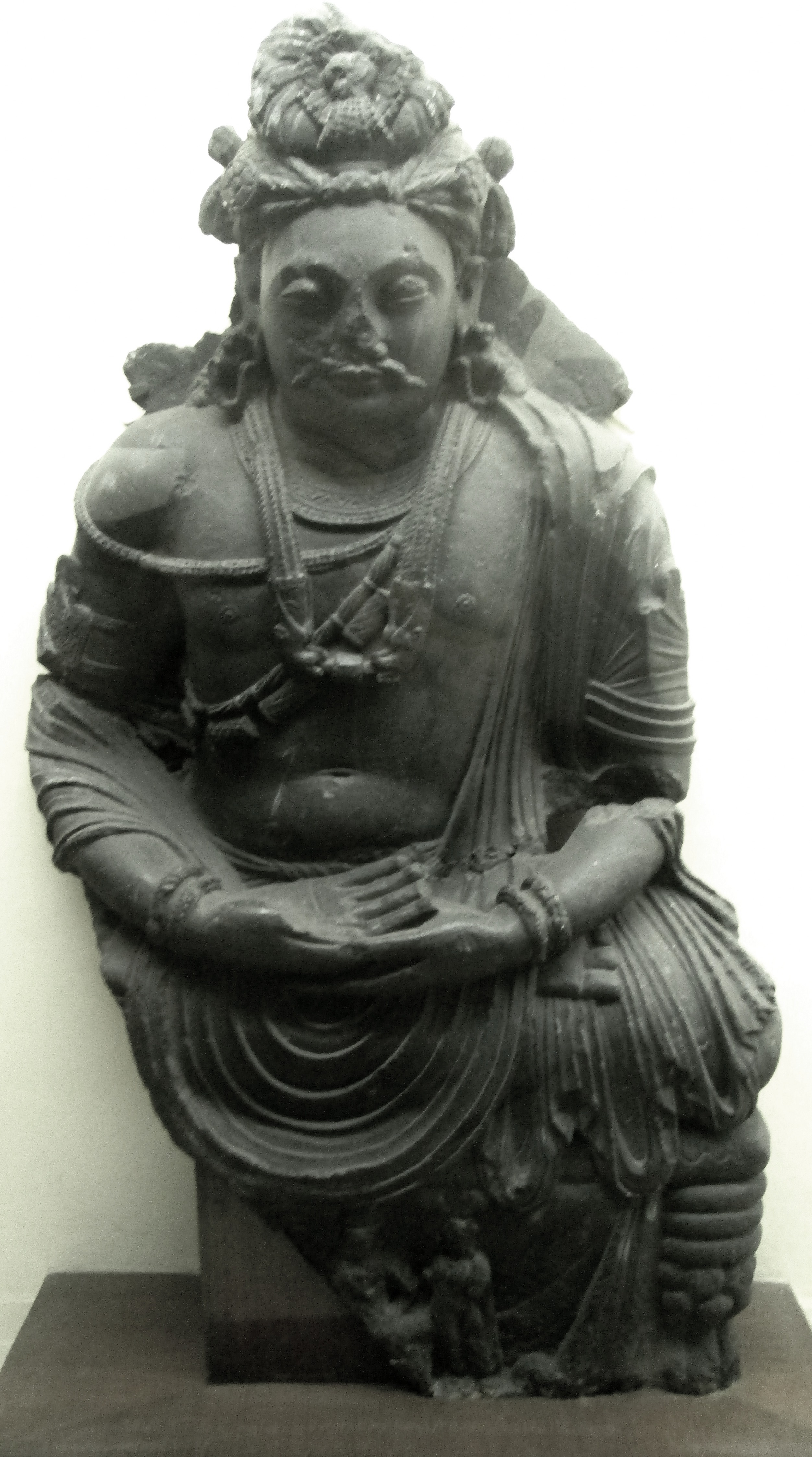
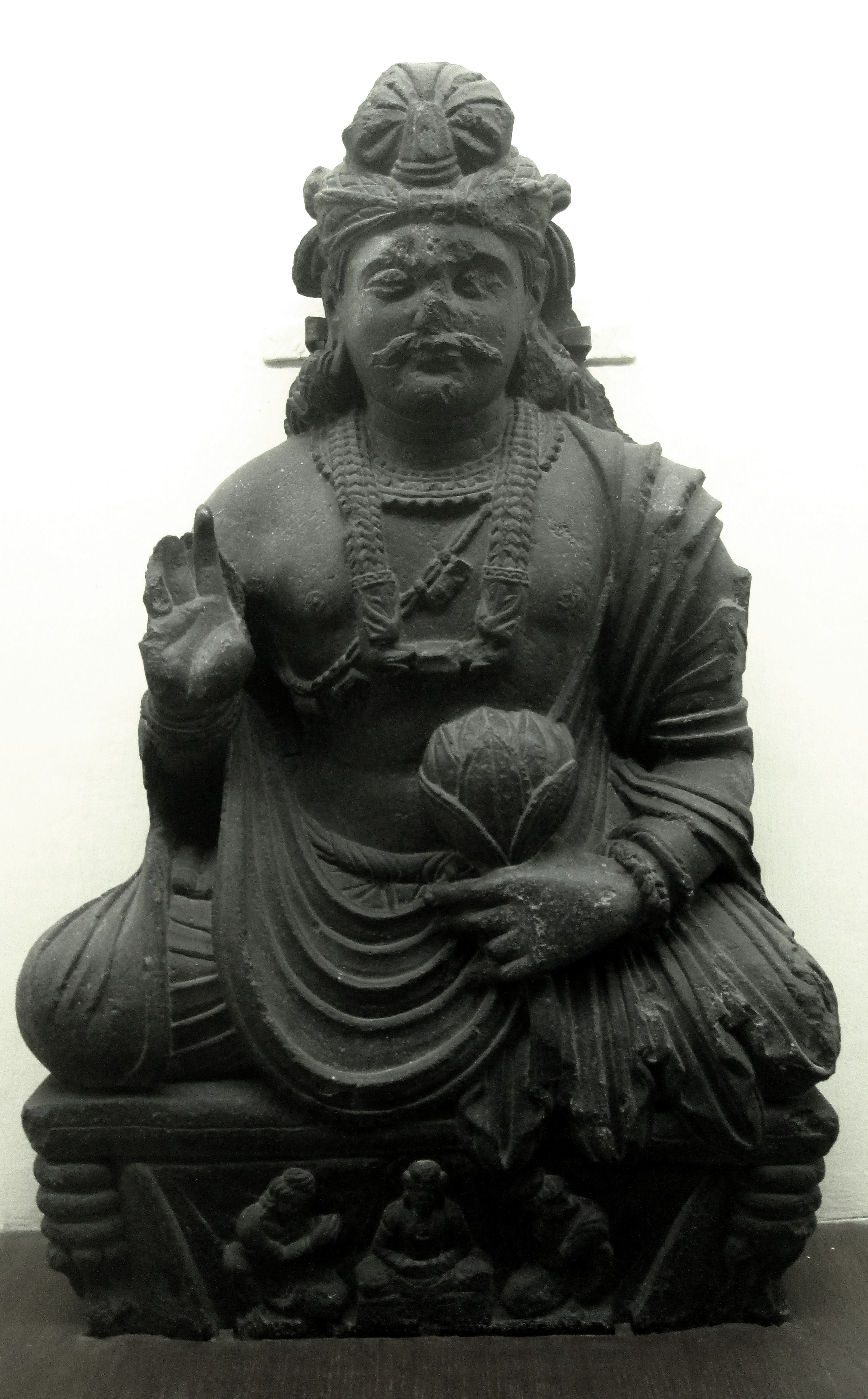
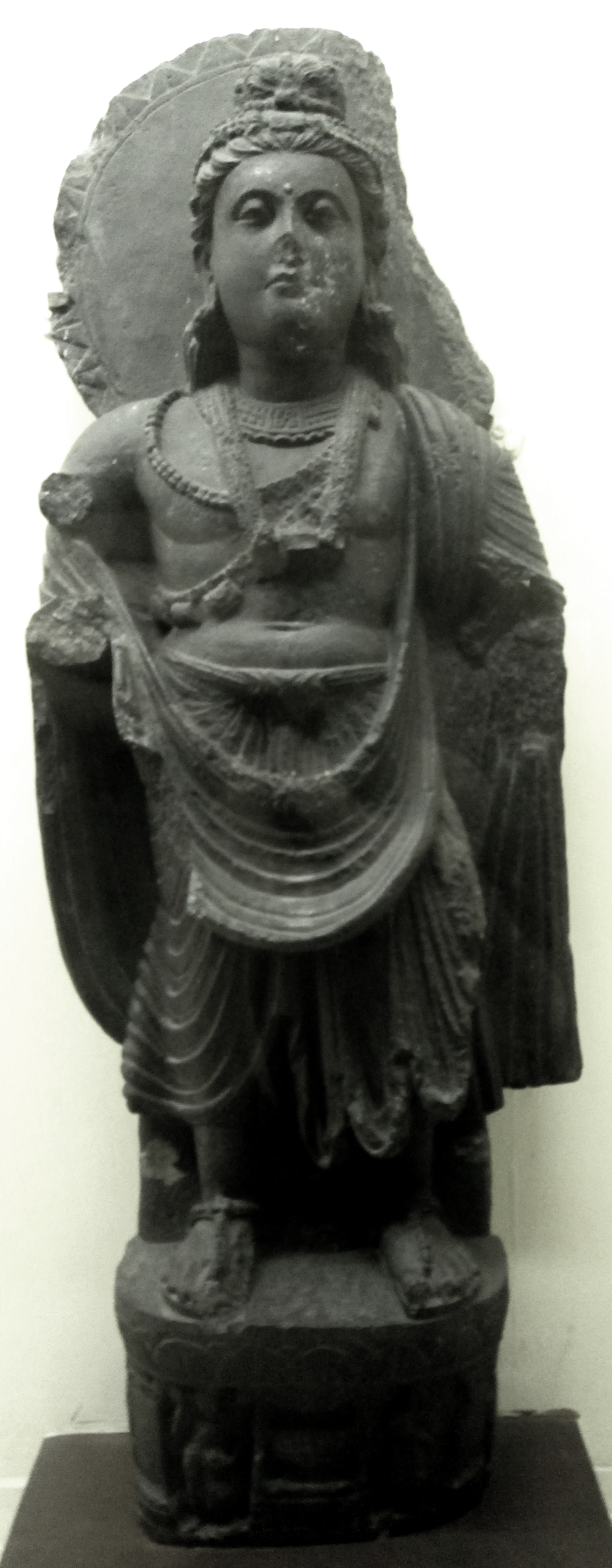
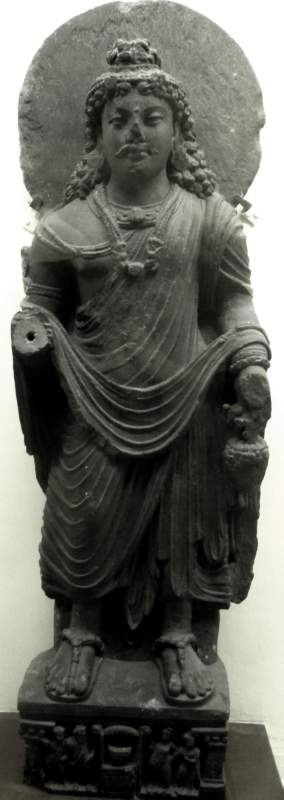
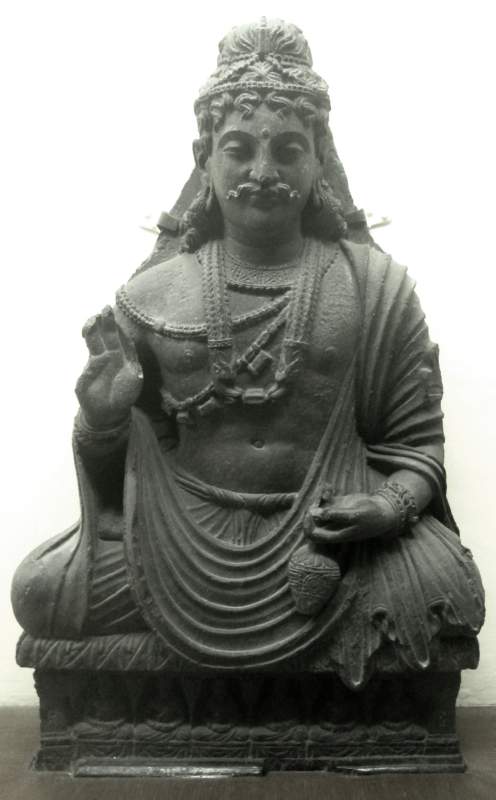
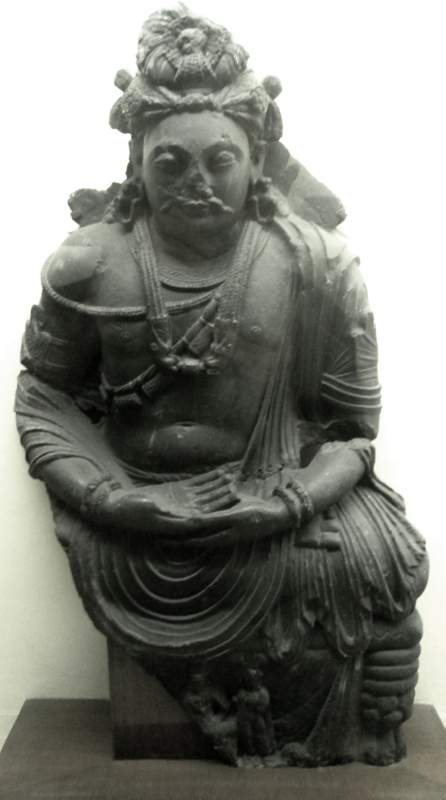
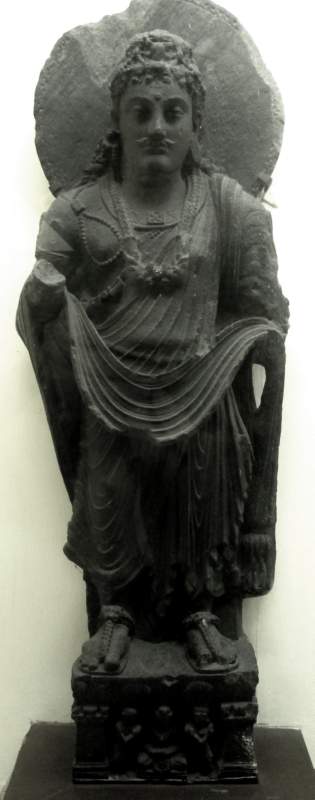
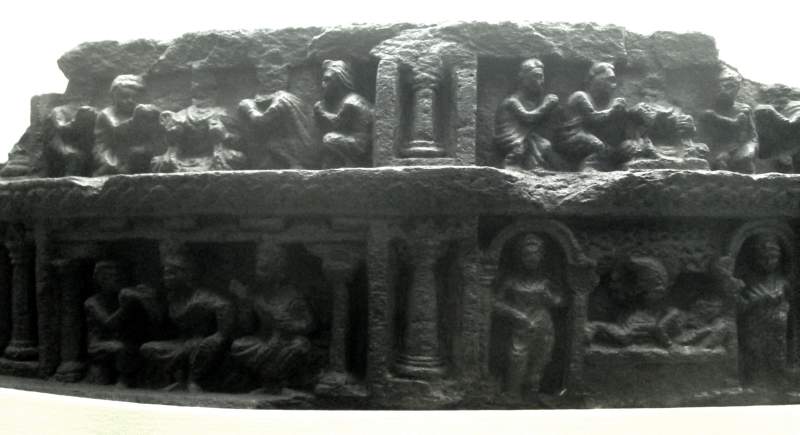
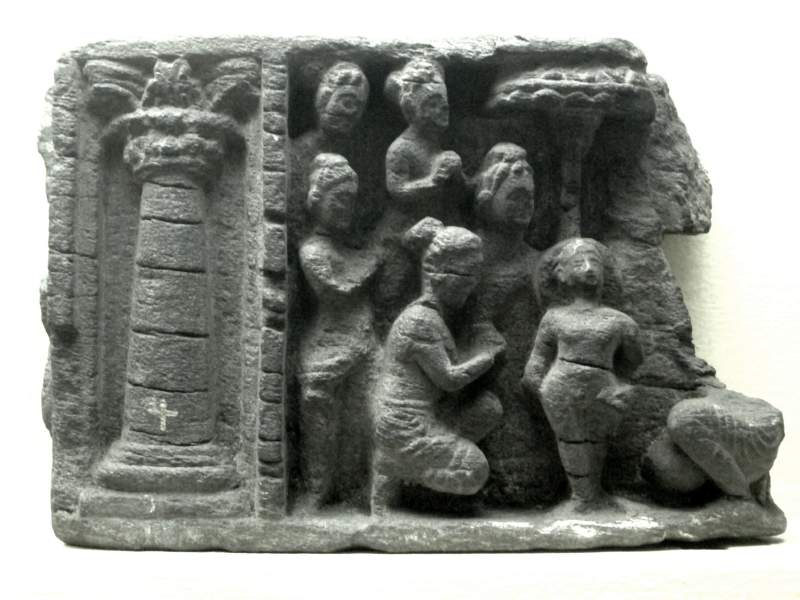
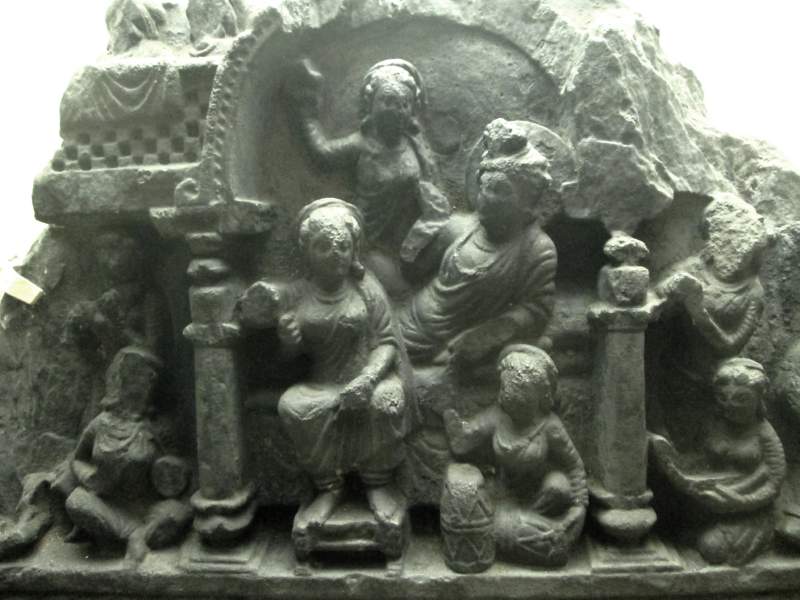
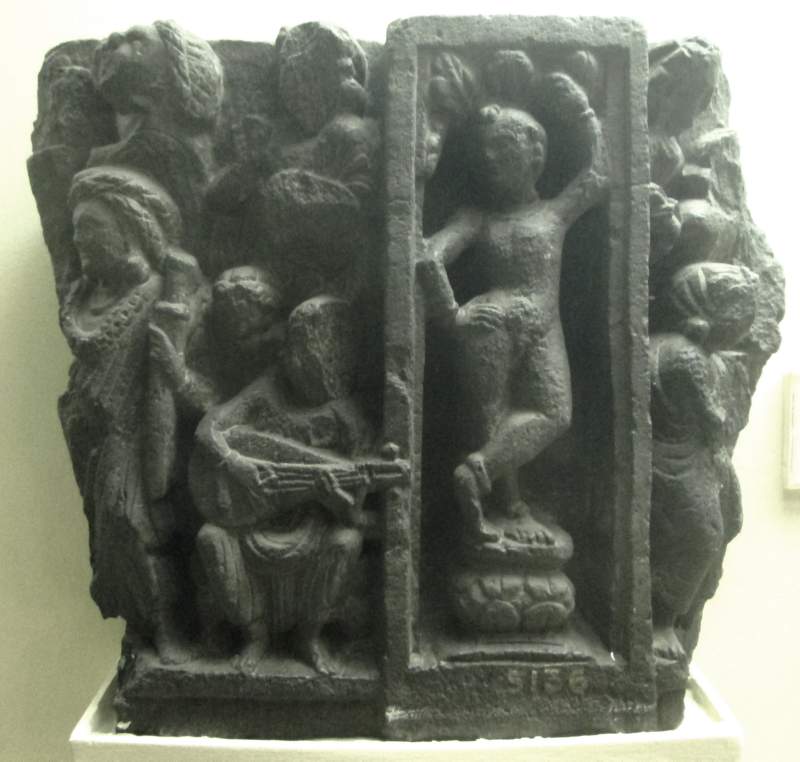
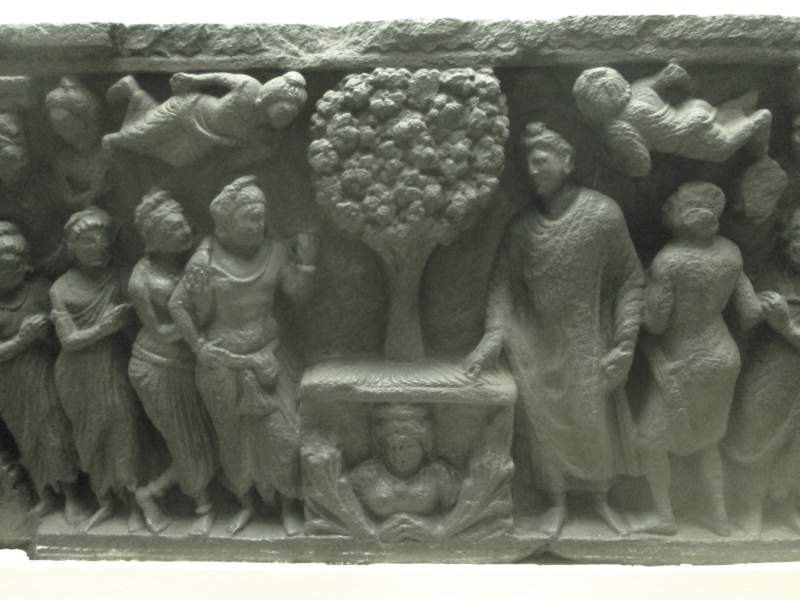
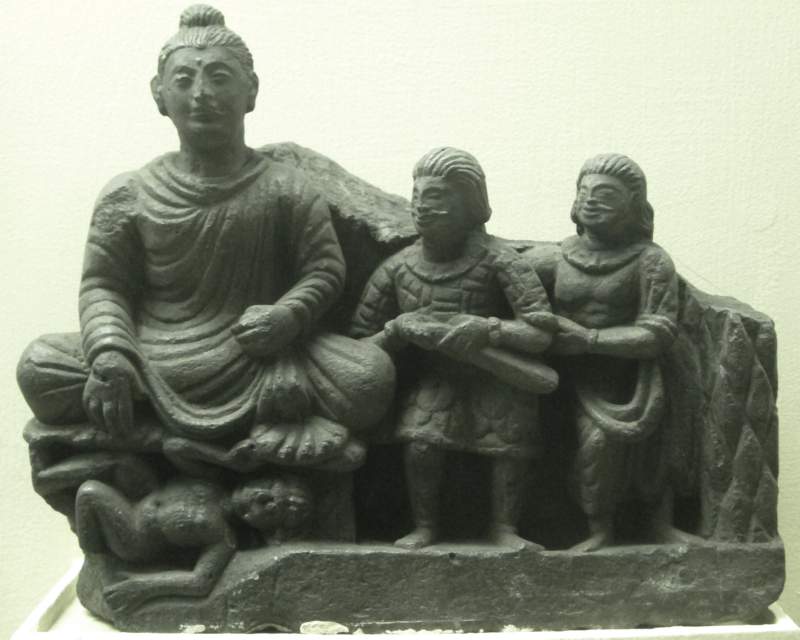
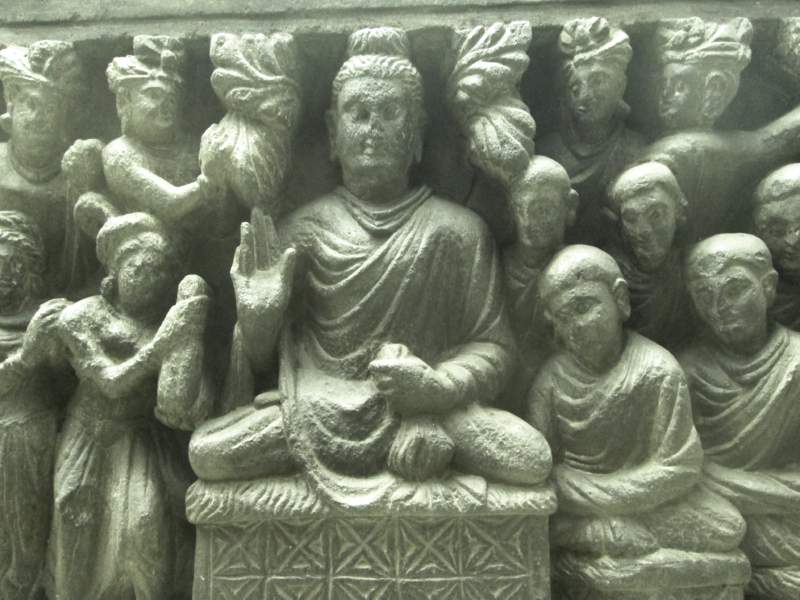
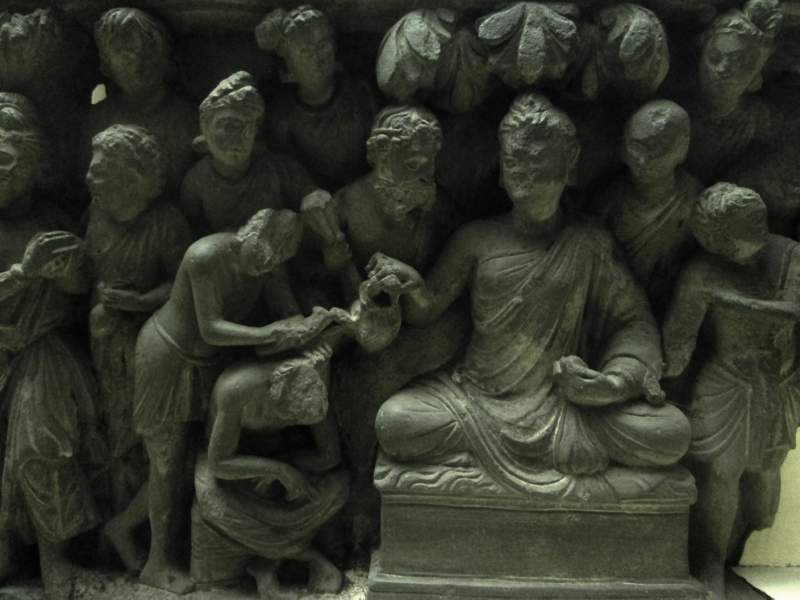
high-definition creative commons photographs from the Indian Museum, Kolkata showing a large collection of Gandhāra statues and reliefs, together with some further information.
Gandhāra School
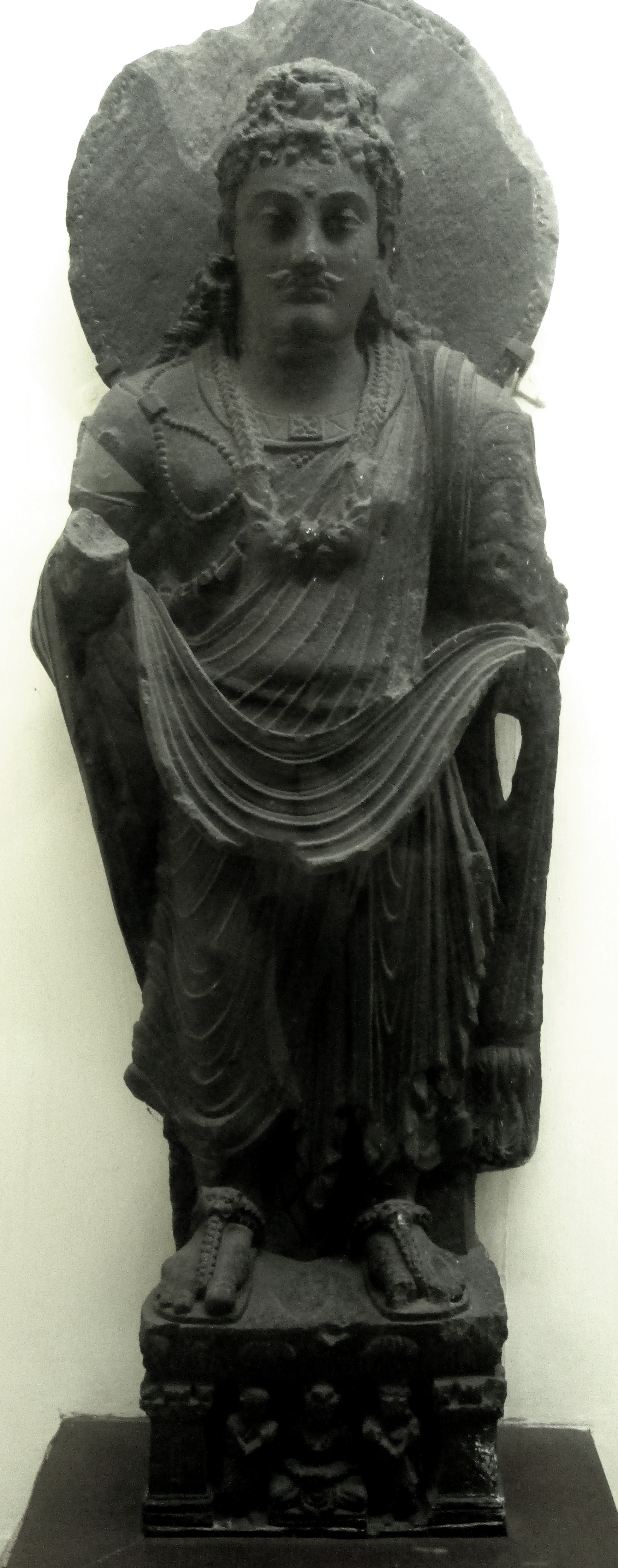
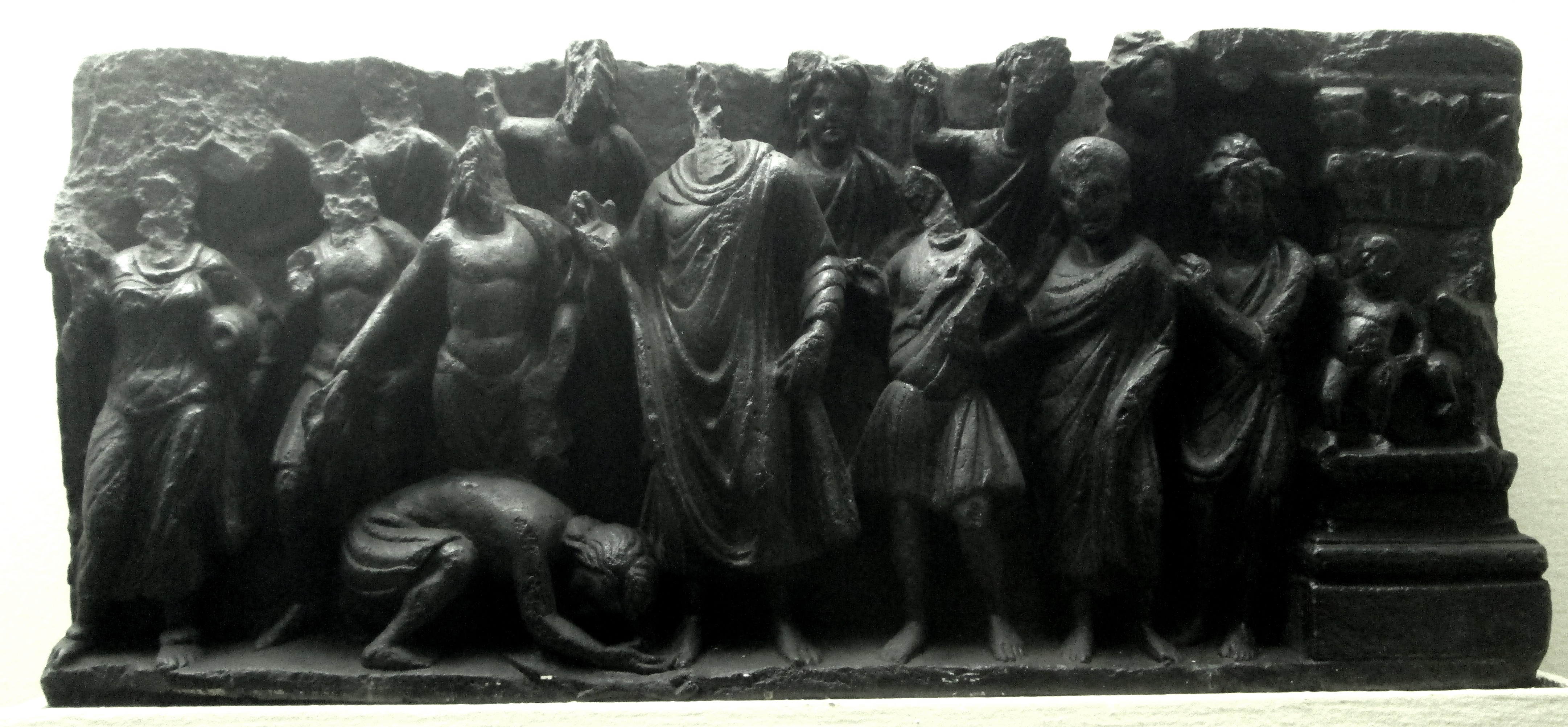
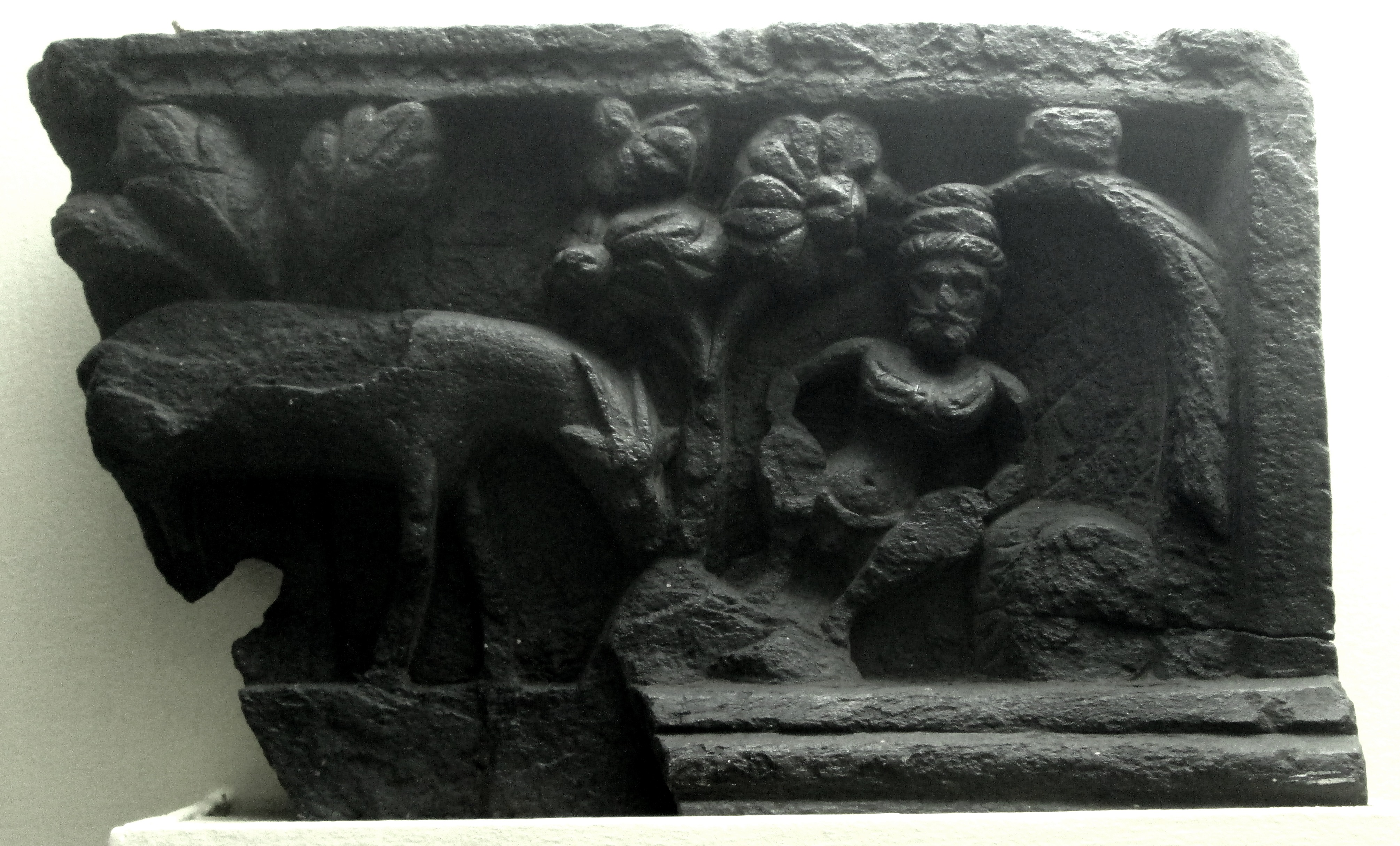
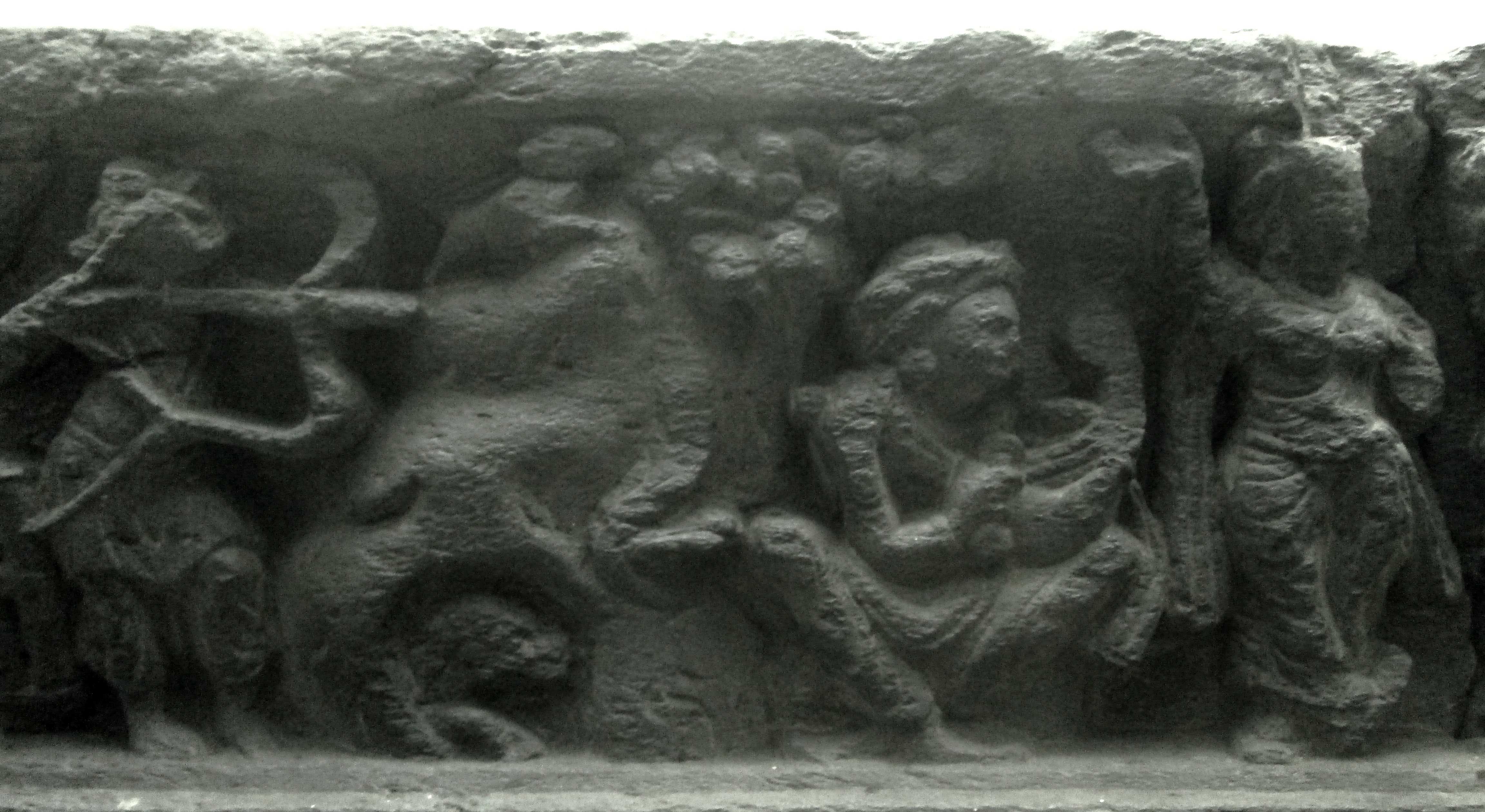
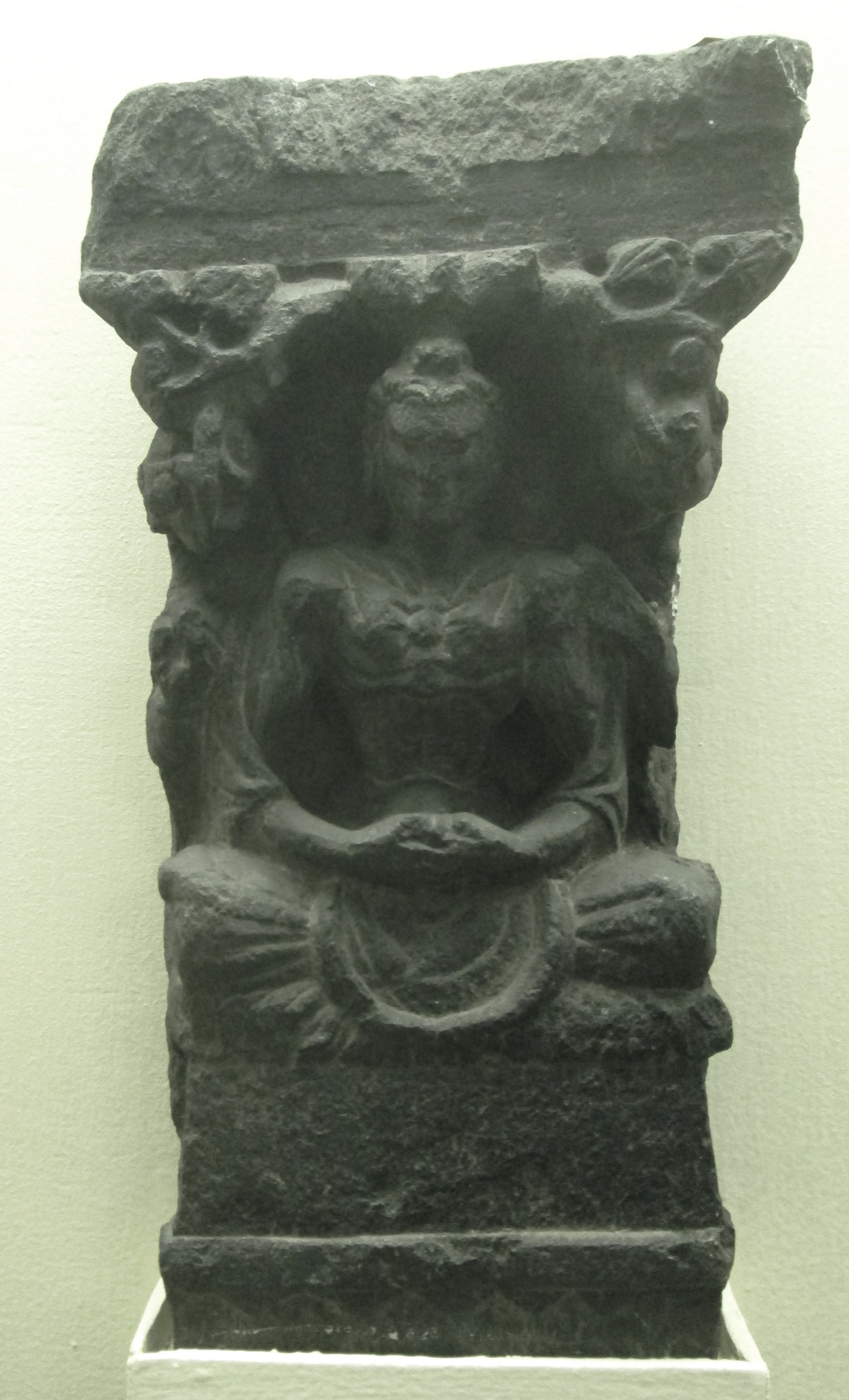
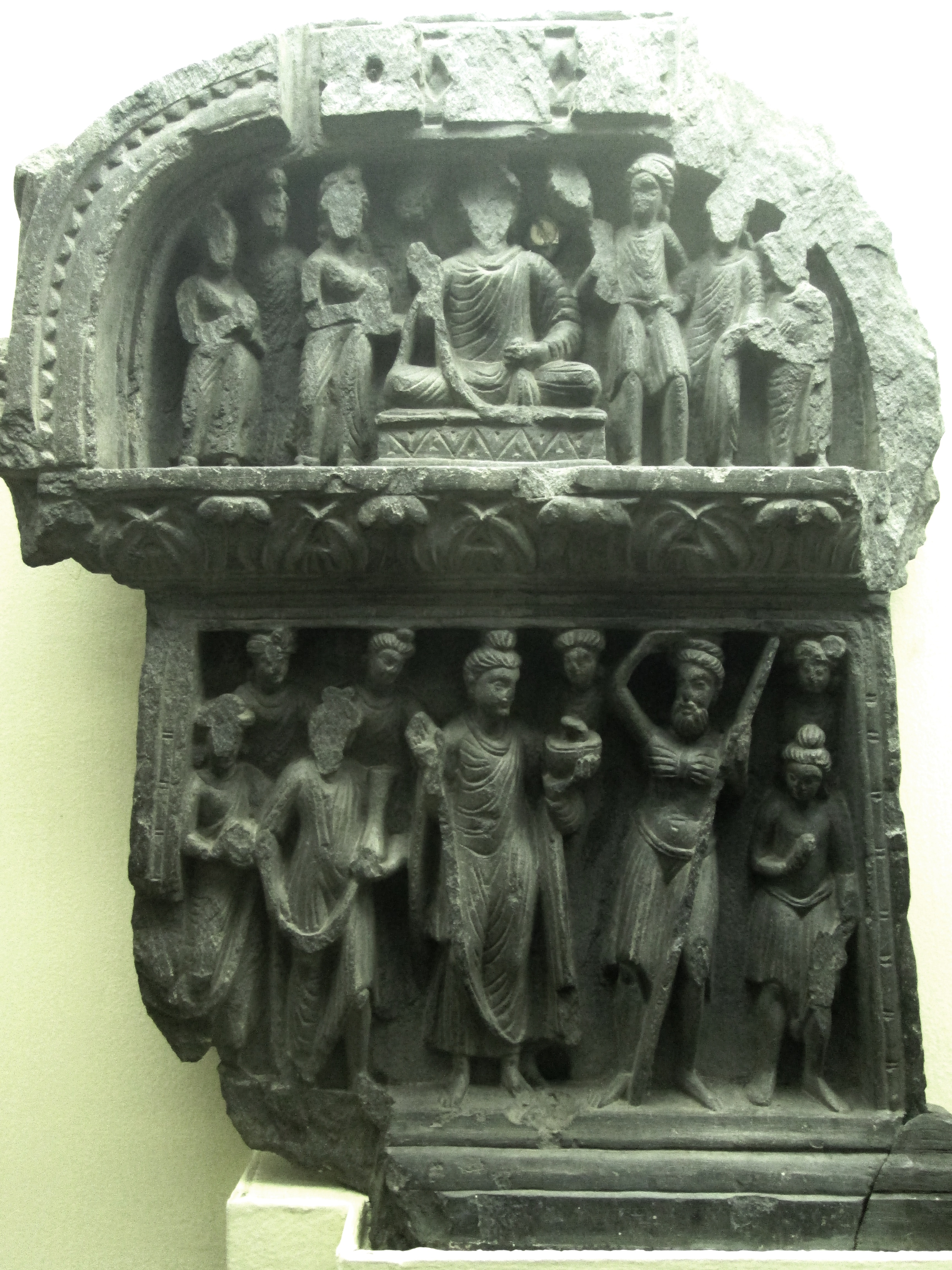
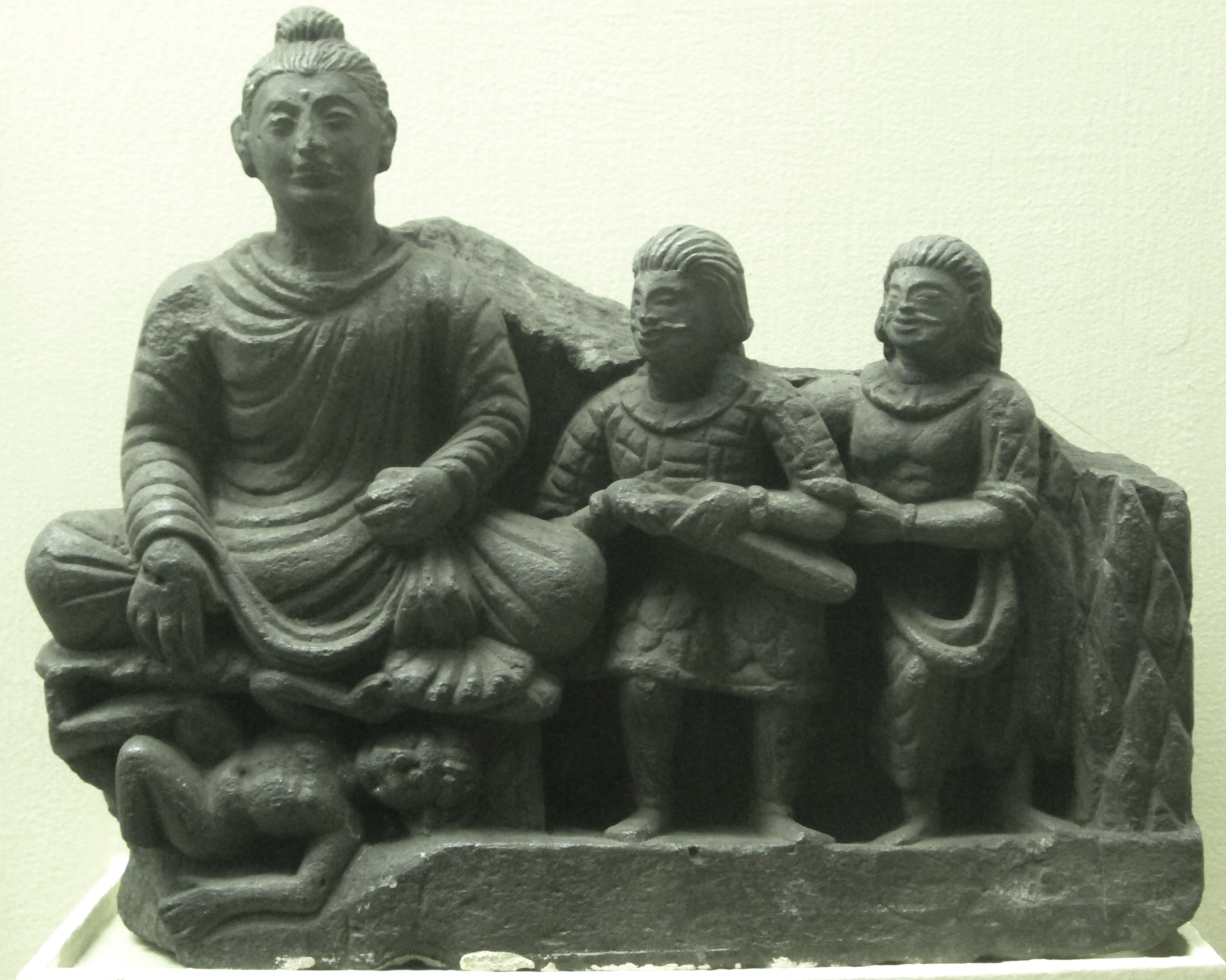
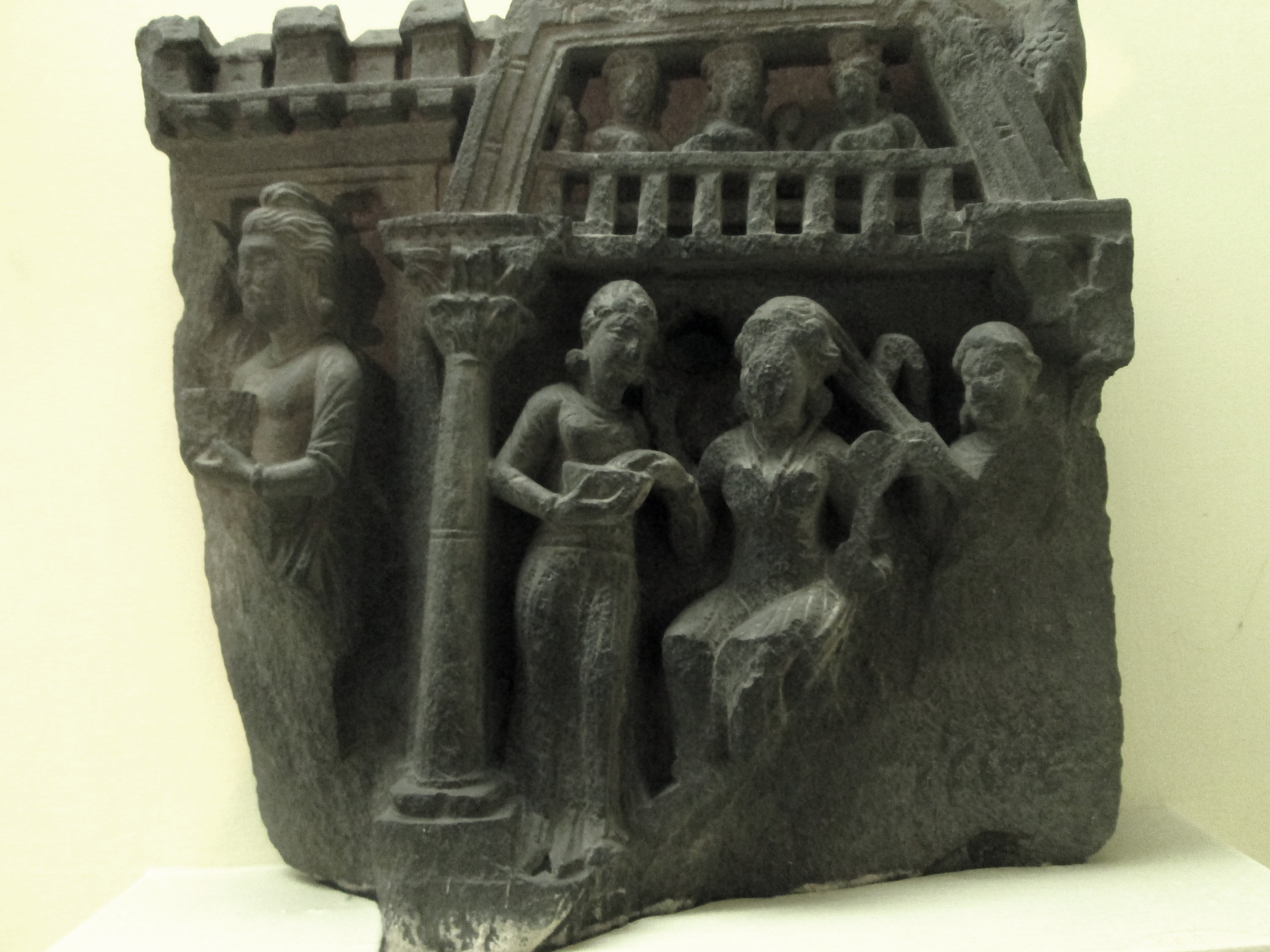
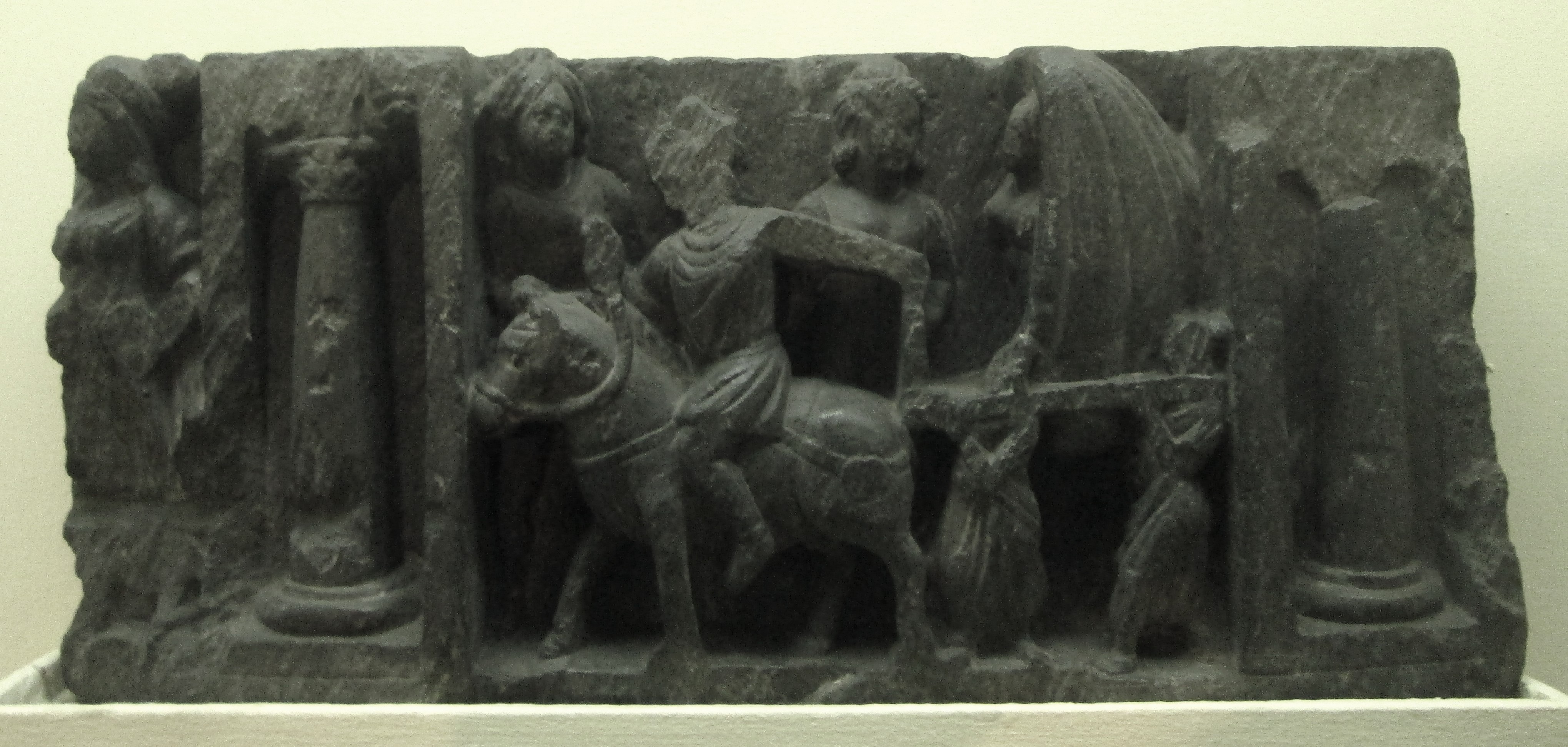
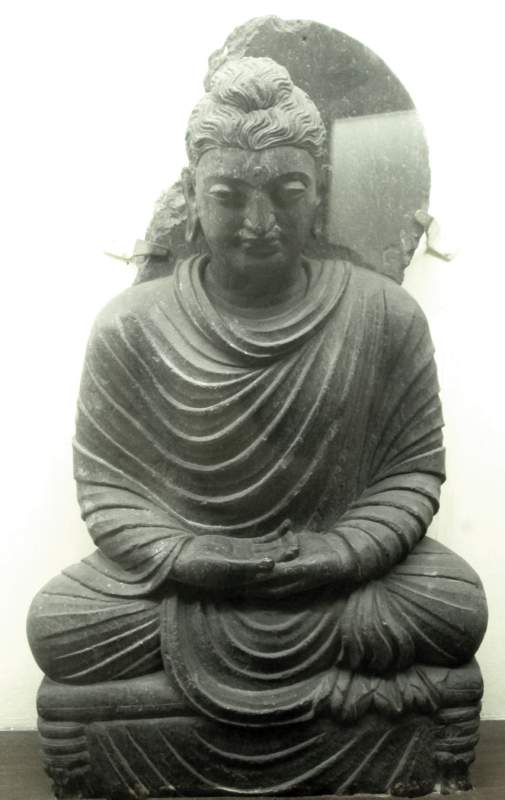
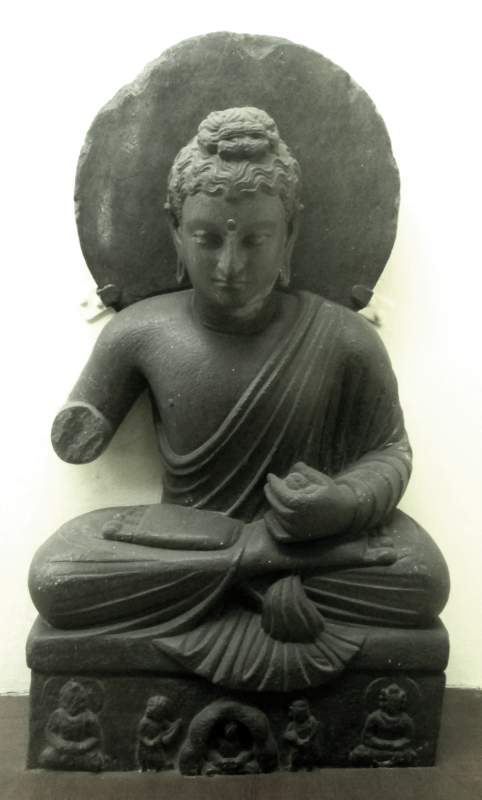
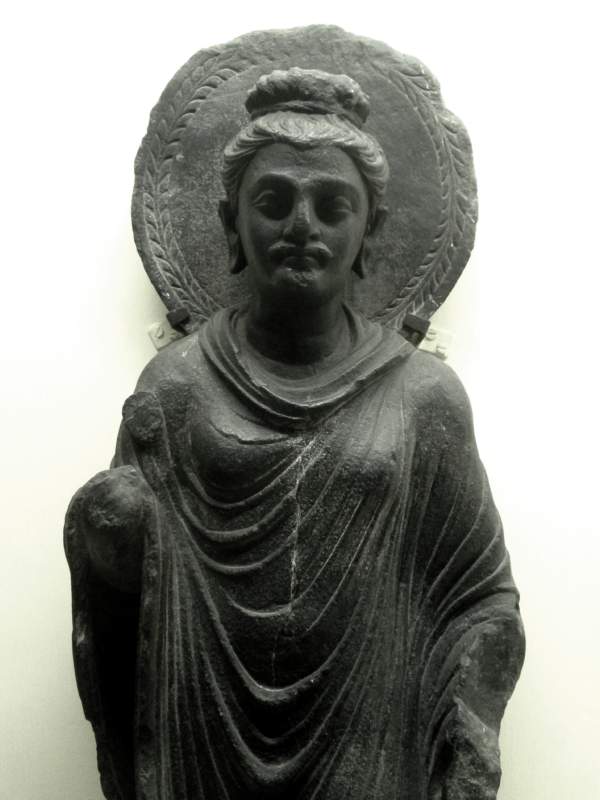
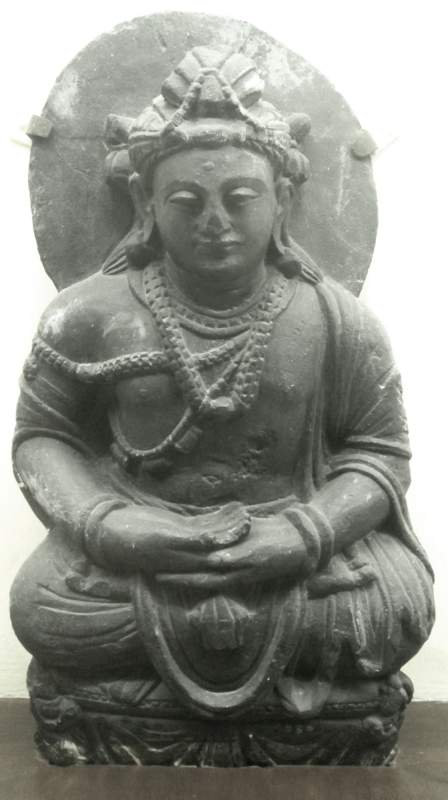
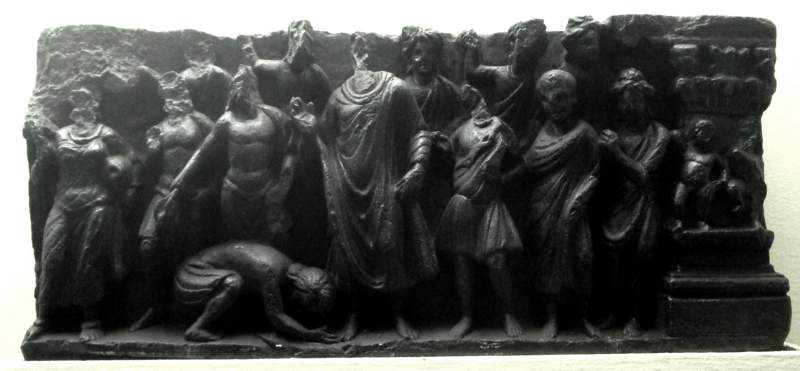
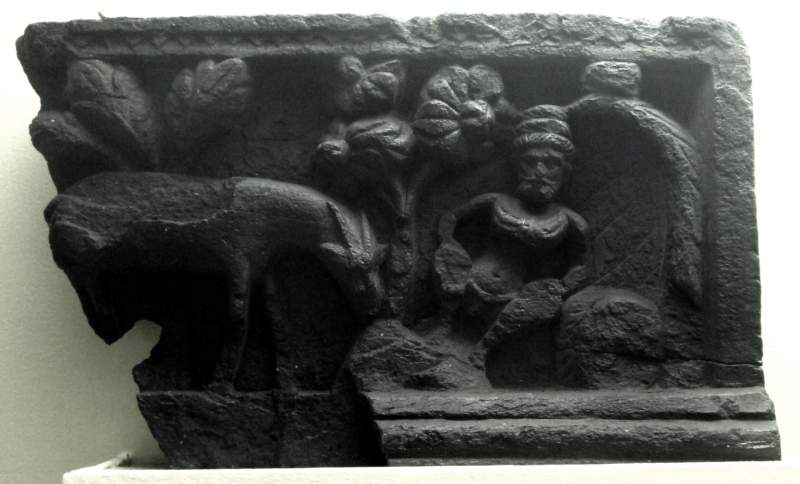
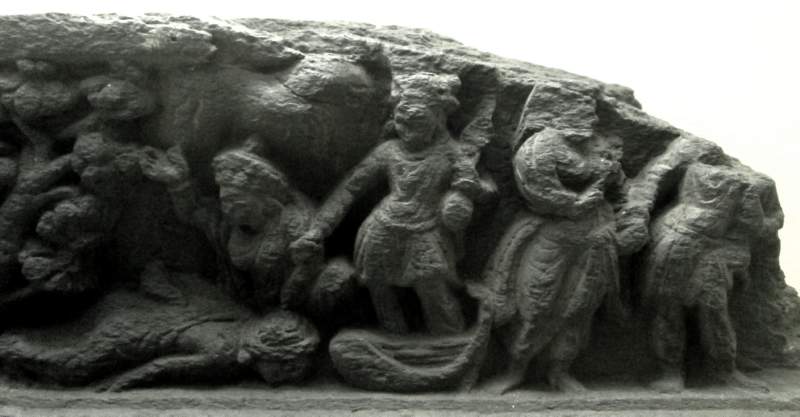
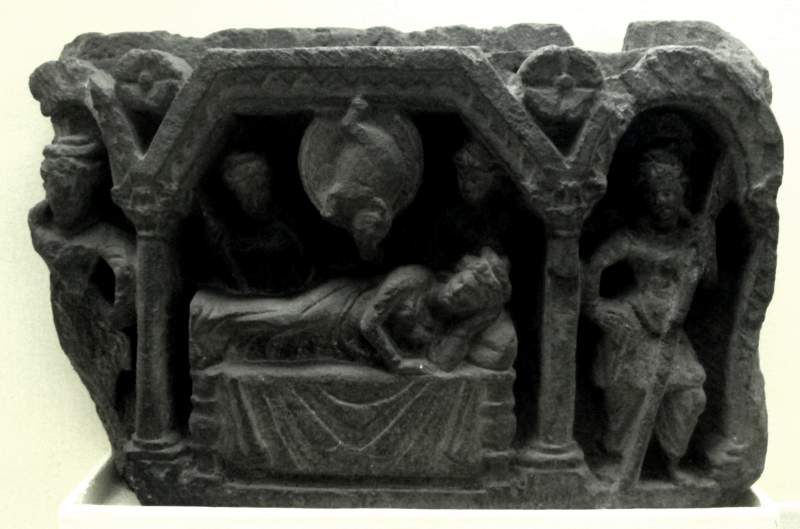
The Indian Museum, Calcutta houses the largest collection of Gandhāra Sculptures in India, and the important ones are on view in this gallery. The Grey Schist or slate stone sculptures hail mainly from the region lying between Eastern Afghanistan and Northern Pakistan (Peshwar and Rawalpindi districts) and belong to the Gandhāra School which flourished from about the 1st century B.C. to the 6th century A.D. Stucco and teracotta were also used as media from about the 3rd century A.D. The art was at its zenith under the patronage of the Kuṣaṇ kings.
As it was a confluence of several cultural currents, this land gave birth to a school of mixed art, which is variously known as Gandhāra, Graeco-Buddhist or Indo-Hellenistic art. The art is believed to have been derived from Graeco-Roman art with some Iranian influence which is again a result of a synthesis between Greek and Roman Art.
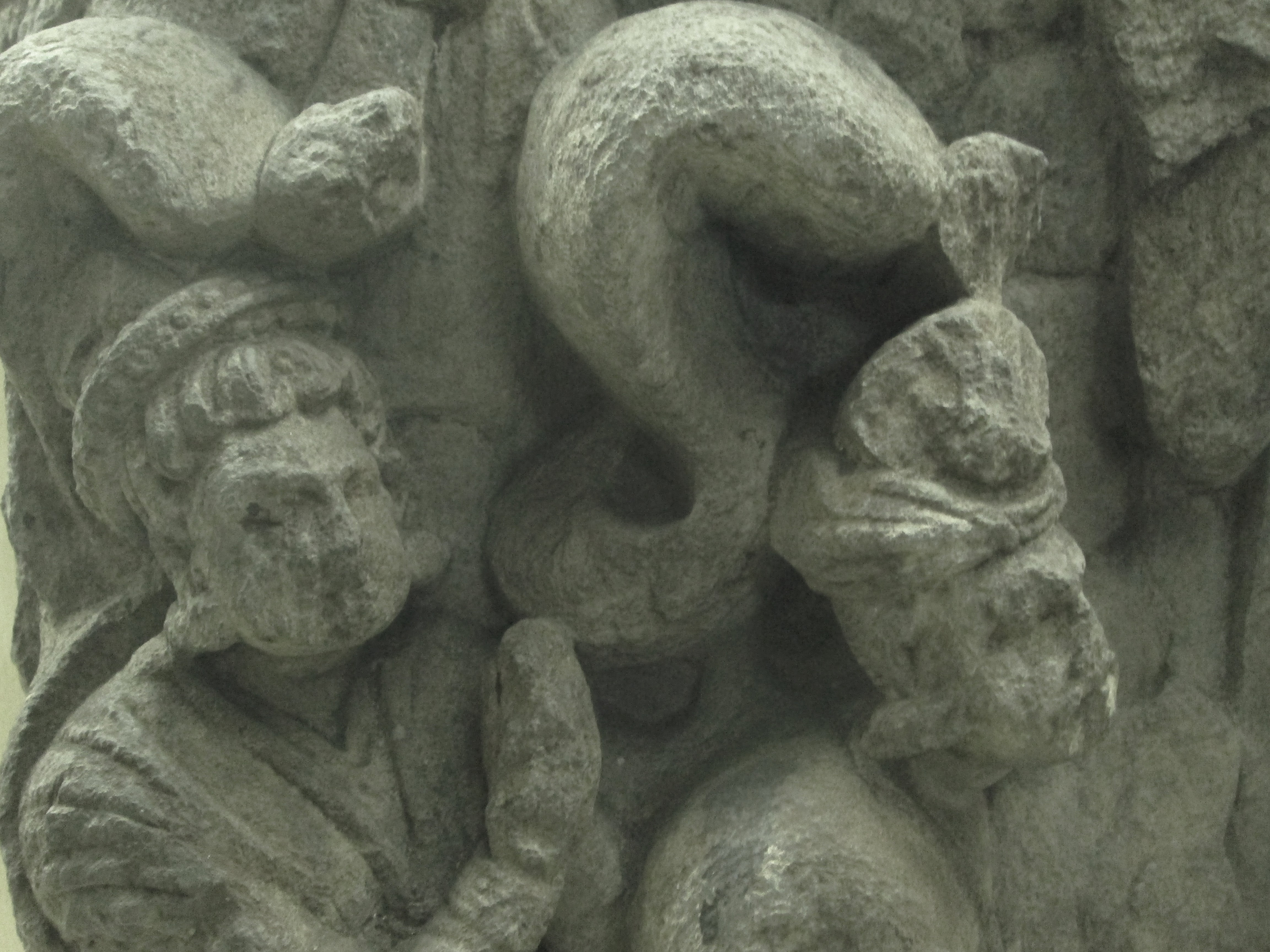
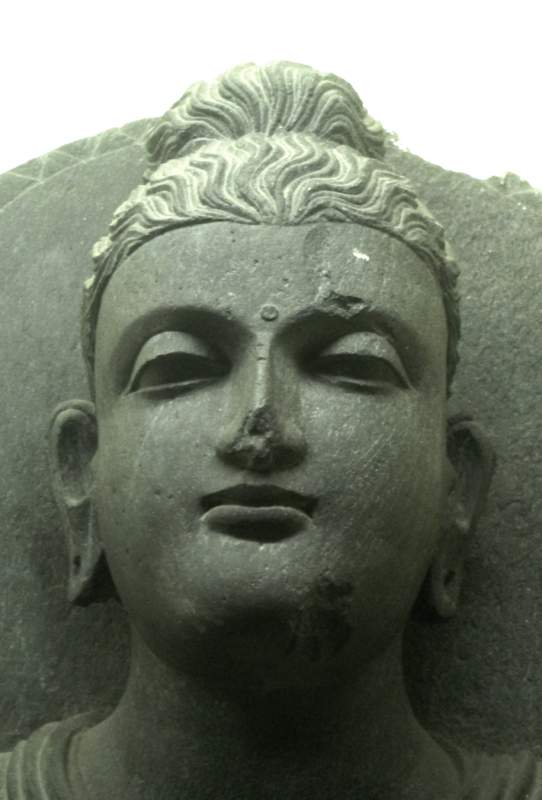
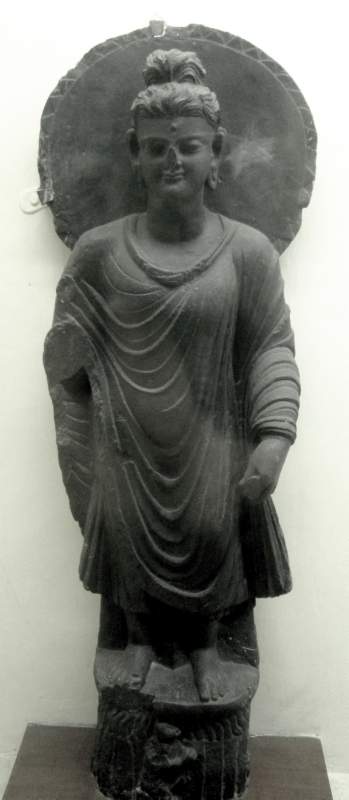
Some of the distinguishing features of Gandhāra art are seen in the wavy hair or notched curls with a top knot, depiction of moustaches, thick garments with bold pleats covering both shoulders, the Bodhisattvas wearing sandals, pointed and rather prickly lotus-petal seat, a plain halo round the head and a muscular formation of the body, with rather naturalistic anatomical details. During the Kuṣaṇ period the interaction between the Gandhāra and Mathura styles resulted in a good deal of exchange of art motifs.
Text adapted from a sign in the Indian Museum
use j/k or left/right arrow
to navigate through the photos below
Photographs by Anandajoti Bhikkhu

Creative Commons Attribution-ShareAlike 3.0 Unported License